Adhesive & Sealants Industries

Adhesive & Sealants Industries - Agitators, Dosing Pumps & Chemical Dosing Systems

The adhesive & sealants industries demand mixing and dosing precision that directly determines whether a finished product bonds, seals, or fails in application. Polymer selection, filler loading, crosslinker ratio, and additive dosing all interact – and every one of these variables is controlled at the mixing and dosing stage. Equipment that cannot handle the viscosity range, shear sensitivity, or reactive chemistry of the specific formulation introduces inconsistency that no downstream process can correct.

Whether you are manufacturing water-based PVA and acrylic dispersion adhesives, solvent-based contact adhesives, reactive two-component epoxy or polyurethane systems, MS polymer and silicone sealants, EVA hotmelt formulations, or pressure-sensitive adhesives, the mixers and dosing systems serving your facility need to be engineered for the actual chemistry and processing conditions – not adapted from general-purpose industrial equipment.

Applications

Where Premix Equipment Is Used

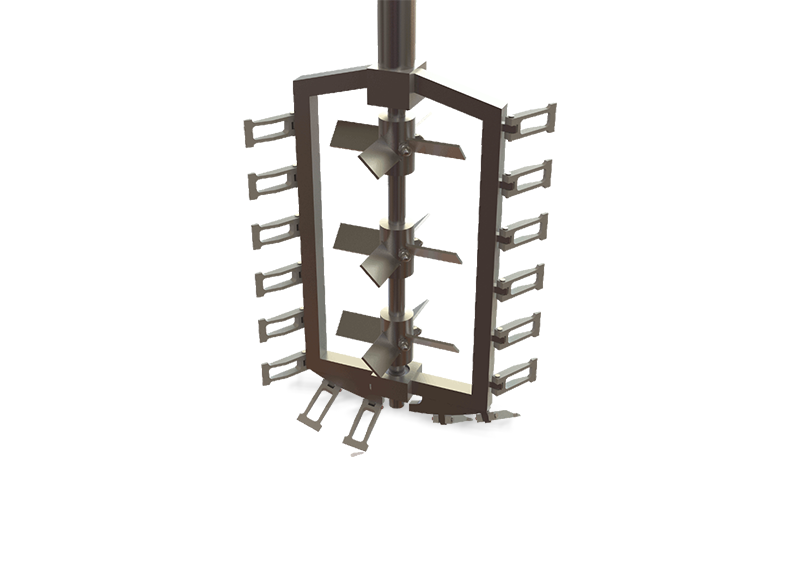
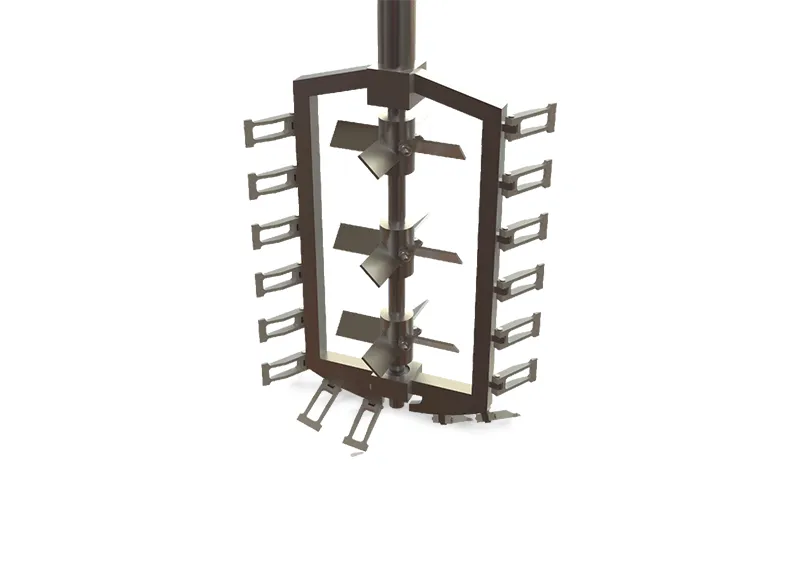
Agitators for thick formulations, fillers and viscosity-building batches.

Uniform mixing for tackifiers, stabilizers, pigments and specialty modifiers.

Slow-speed agitation to reduce settling and maintain product uniformity.

What We Actually Help With

Mixing That Achieves Formulation Consistency

In the adhesive & sealants industries production, mixing determines whether the polymer matrix, filler, plasticiser, and reactive components are truly homogenised – or merely blended at the surface. Incomplete dispersion of calcium carbonate fillers in sealant pastes causes density variation and weak zones in the cured bead. Poor incorporation of crosslinkers in PU or epoxy systems results in under-cured regions with compromised cohesive strength. Every agitator configuration must match the viscosity profile, shear requirement, and addition sequence of the specific formulation.

Applications include:

  • Acrylic and PVA dispersion blending vessels
  • Filled sealant and mastic compounding tanks
  • Two-component epoxy and polyurethane base and hardener preparation
  • MS polymer and silicone sealant mixing
  • Solvent-based contact adhesive blending
  • EVA hotmelt and tackifier incorporation vessels
  • Effluent and washout water treatment tanks

Dosing That Controls Component Ratios

In reactive adhesive and sealant systems, the ratio between base resin, crosslinker, catalyst, and functional additives is not a guideline – it defines the cure window, open time, final bond strength, and flexibility of the product. A dosing system that delivers isocyanate index outside the specified range in a PU sealant, or catalyst ppm outside the target in a silicone system, shifts the cure profile and mechanical properties of the entire batch. Gravimetric and flow-proportional dosing control maintains accurate addition rates batch after batch, removing the variability that manual weighing introduces at production scale.

Chemicals and additives commonly dosed include:

  • Crosslinkers and Isocyanates for PU and MS polymer systems
  • Cure Catalysts – organotin, amine, and platinum-based systems
  • Plasticisers – DINP, DIDP, and process oils
  • Mineral Fillers – calcium carbonate, precipitated silica, and kaolin slurries
  • Tackifiers and Resins for hotmelt and PSA formulations
  • Biocides and Preservatives for water-based dispersion adhesives
  • Defoamers and Wetting Agents

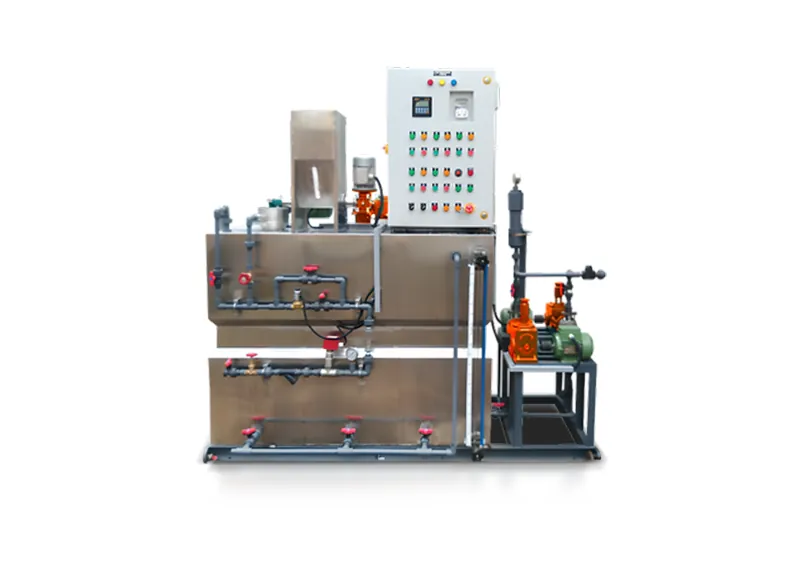
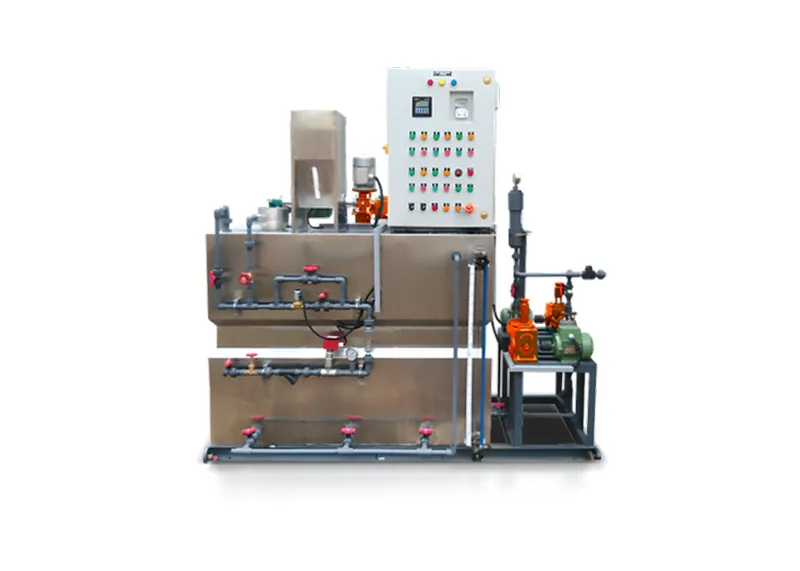
Packaged Dosing Skids for Compounding Lines

Pre-assembled skid-mounted dosing packages arrive pre-piped, pre-wired, and factory-tested – reducing installation time and eliminating integration risk when multiple reactive or sensitive additives need to be dosed into the same production line.

Where Adhesive & Sealants Mixing Gets Technical

  • Viscosity and Rheology Across Chemistries

    Adhesive & sealants industries formulations span one of the widest viscosity ranges in chemical manufacturing – from low-viscosity acrylic dispersion adhesives and primer systems through to non-sag silicone and MS polymer sealant pastes that resist flow under their own weight. High-filler-loading sealant compounds require high-torque, low-speed agitation; dispersion adhesives require controlled-shear blending to avoid coagulation. A single impeller type cannot serve both – selection must be based on the actual formulation.

  • Reactive Systems and Pot Life Constraints

    Two-component epoxy, PU, and MS polymer systems begin crosslinking from the point of component contact. Agitators and dosing equipment in contact with reactive formulations must be designed for rapid cleanout within the pot life window – with flow paths, seal configurations, and material choices that allow flushing before cure locks the system.

  • Air Entrapment in Filled Sealants

    High-viscosity filled sealant compounds trap air during mixing that does not self-release under gravity. Agitator design, tip speed, and mixing cycle need to account for controlled air release – particularly in silicone and MS polymer sealants where voids in the cured bead directly affect weatherproofing and structural performance.

  • Flammable Solvent Handling

    Solvent-based contact adhesives and primer systems use flammable carriers – MEK, ethyl acetate, toluene, and aliphatic hydrocarbons. All mixing and dosing equipment in classified areas requires ATEX-rated motors, full earthing and bonding provisions, and spark-resistant wetted-part construction.

Speak With Our Team

Have a new adhesive or sealant compounding project, a mixing problem affecting product consistency, or a dosing system impacting your reactive formulation? We give straight answers – no catalogue quoting without understanding your process first.

+91 89056 16775 | +91 73831 46106

Related Products

Delivering precision-engineered mixing and dosing solutions across diverse industrial sectors with reliability and performance.

Frequently Asked Questions

Q1. Which adhesive & sealants industries applications do you supply mixing and dosing equipment for?

Water-based PVA and acrylic dispersion adhesives, solvent-based contact adhesives, two-component epoxy and polyurethane systems, MS polymer and silicone sealants, EVA hotmelt formulations, and pressure-sensitive adhesives – across all major adhesive and sealant chemistries in production use.

Yes. High-torque anchor, gate, and paddle agitator configurations are available for filled sealant and mastic compounding – selected based on filler loading, viscosity profile, and vessel geometry of the specific formulation.

Gravimetric and flow-proportional dosing systems with pot-life-compatible cleanout configurations, designed for accurate ratio control of reactive components including isocyanates, amine hardeners, and cure catalysts at both high and low addition rates.

1 Step 1
Contact Form
keyboard_arrow_leftPrevious
Nextkeyboard_arrow_right
FormCraft - WordPress form builder

Get in Touch

Have questions about our products or need a customized solution? Our team is ready to assist you with expert guidance, technical support, and reliable service. Reach out to us today and let’s build efficient solutions together.