The food & beverage industries depend on mixing and dosing precision at every stage of production. Ingredient distribution, emulsion stability, flavour uniformity, and preservative dosing are not background processes – they determine whether the finished product meets texture, taste, safety, and shelf life specifications batch after batch. Equipment that underperforms at any stage creates a product that fails quality checks, generates rework, or reaches consumers with inconsistent sensory characteristics.
Whether you are manufacturing sauces, condiments, dairy products, beverages, confectionery bases, bakery ingredients, or processed food formulations, the mixers and dosing systems serving your food & beverage industries facility need to be selected for the actual fluid properties, ingredient chemistry, and hygiene requirements of the process – not adapted from general industrial equipment where food-grade design and cleanability are afterthoughts.

Where Premix Equipment Is Used
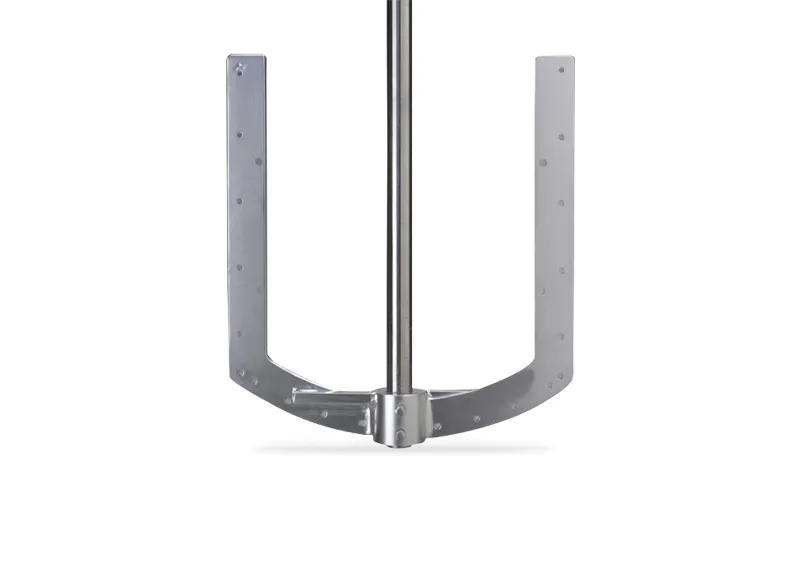
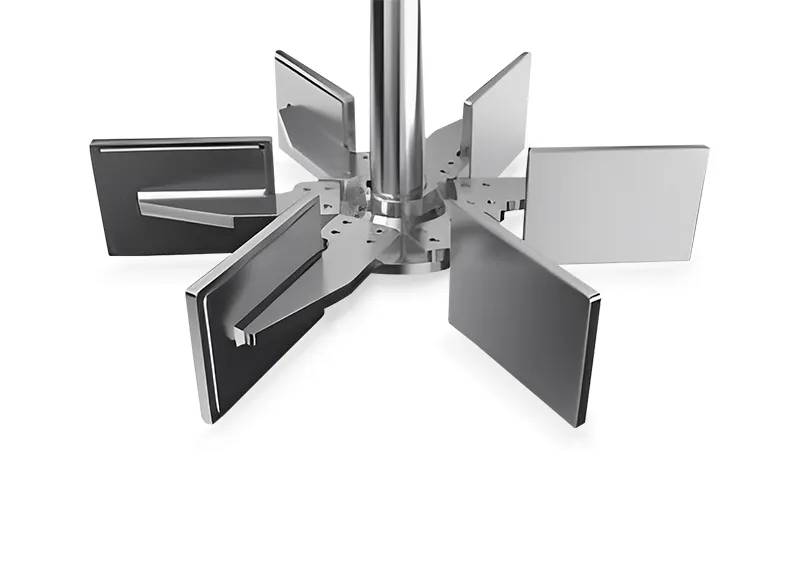
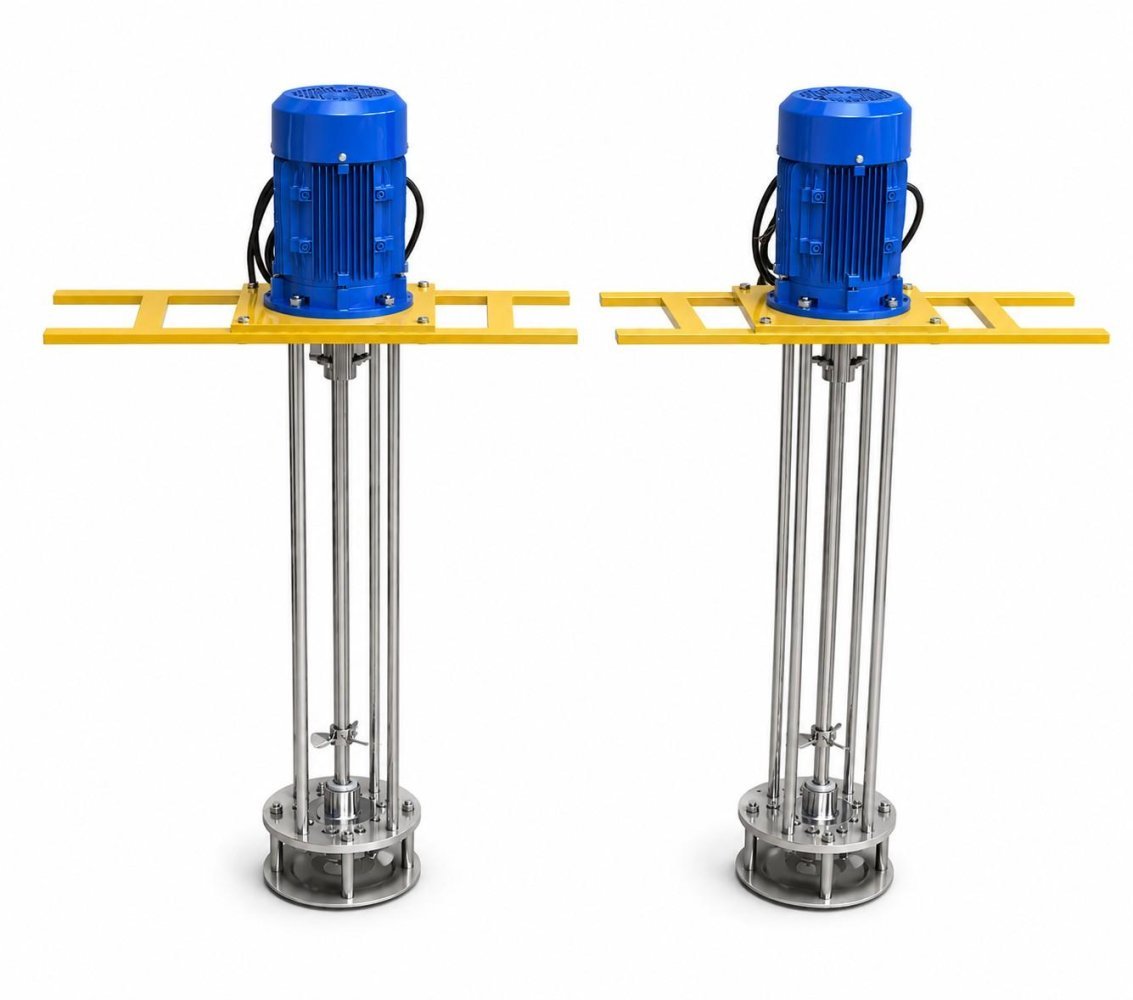
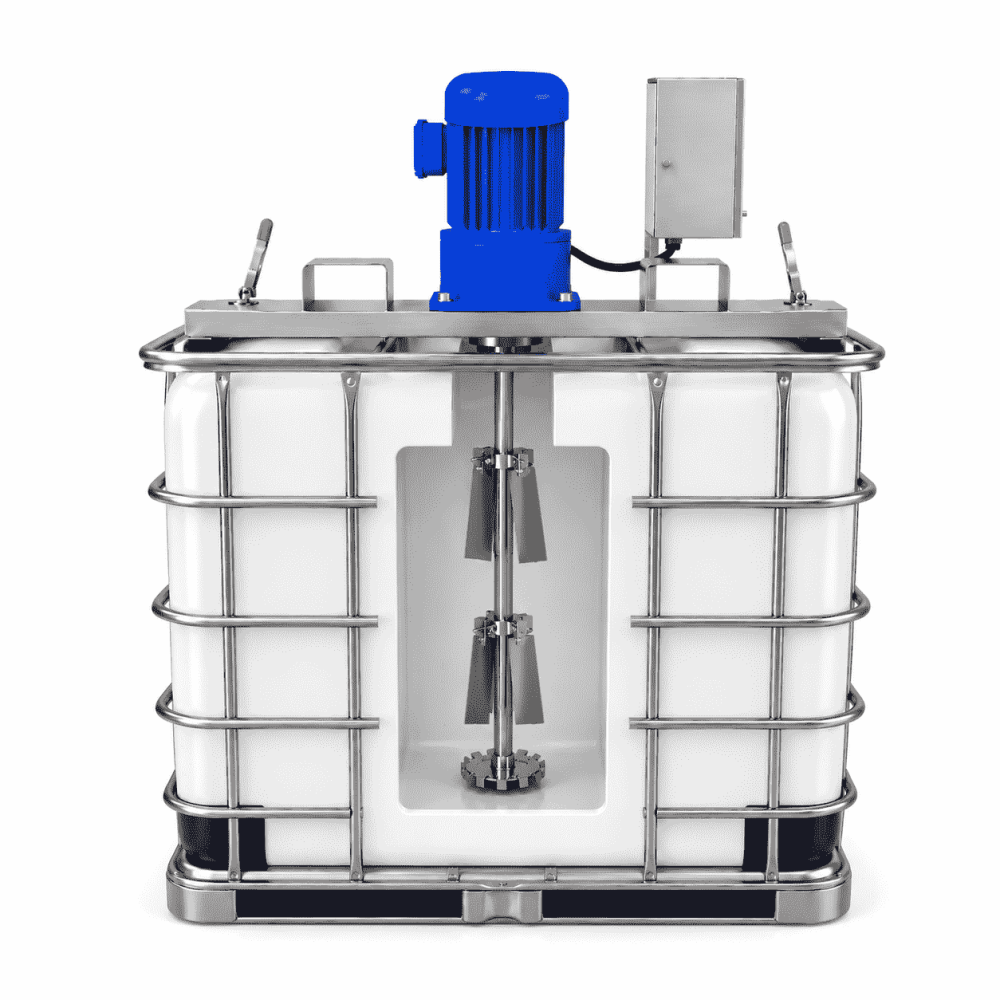
Agitators for syrups, sauces, beverages, additives and liquid preparation tanks.
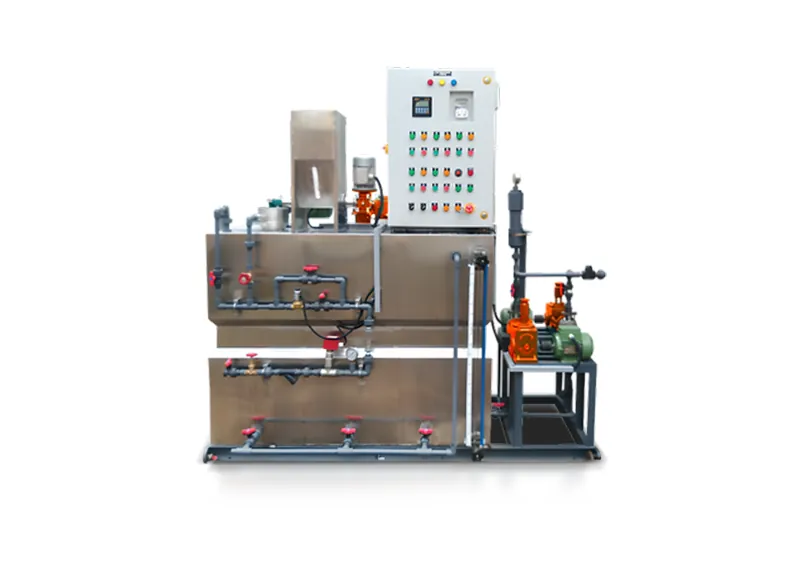
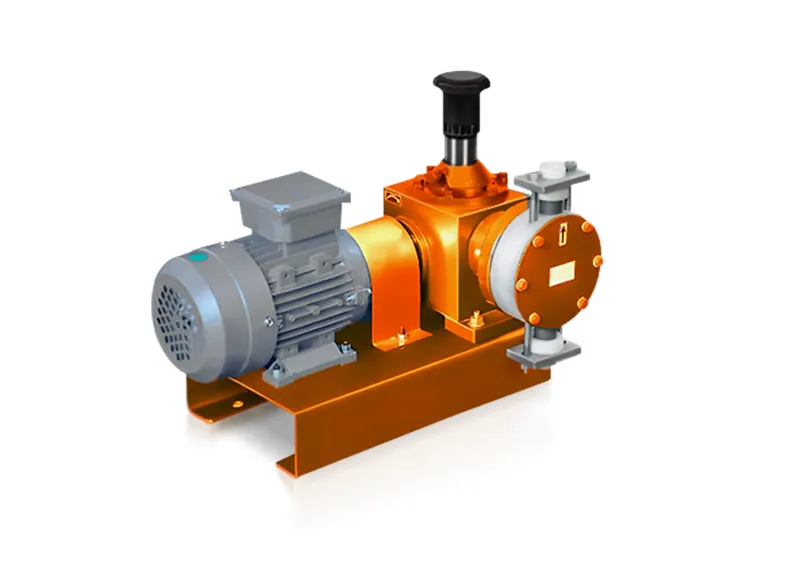
Dosing pumps for cleaning chemicals, pH correction and treatment applications.
Gentle agitation for maintaining uniformity and reducing settling or separation.
In food & beverage industries, mixing determines whether ingredients are uniformly distributed, emulsions are stable, and textures are repeatable across every batch. Hydrocolloid thickeners that are not properly dispersed create lumps and gel clumps in sauces and dairy products. Emulsions that are not correctly agitated separate during shelf life. Flavour concentrates that are incompletely blended produce batch-to-batch taste variation that consumers detect immediately. Every agitator must match the viscosity range, shear sensitivity, and vessel geometry of the specific product being processed.
Applications include:
In food & beverage industries production, additive and ingredient dosing directly controls product safety, consistency, and shelf life. Preservative dosing that drifts outside specification creates microbial risk or fails regulatory limits. Flavour and colour dosing that varies batch to batch produces sensory inconsistency that fails panel checks and customer expectations. Automated gravimetric and flow-proportional dosing removes the human variability that manual weighing introduces at production scale – maintaining accurate addition rates across every batch and every shift.
Chemicals and ingredients commonly dosed include:
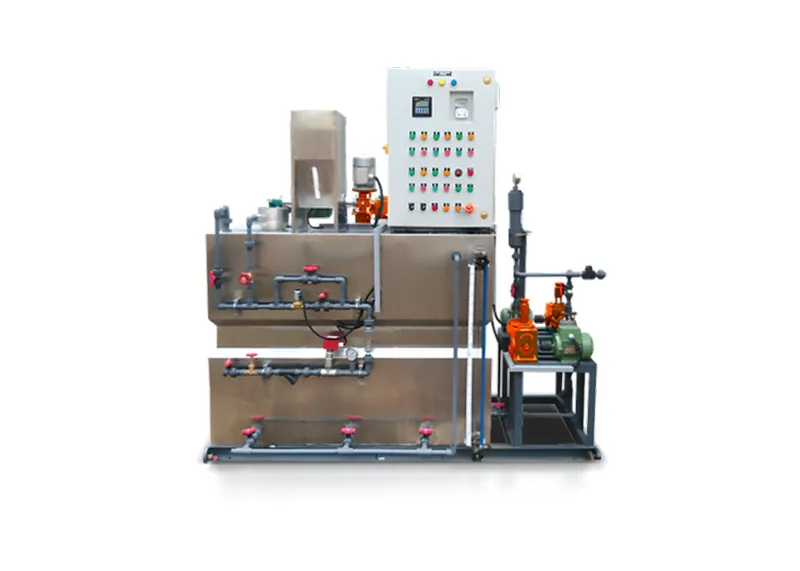
Pre-assembled skid-mounted dosing and mixing packages for food & beverage industries facilities arrive pre-piped, pre-wired, and factory-tested – reducing installation time and eliminating integration risk on the production floor. Sanitation chemical dosing skids, CIP chemical delivery systems, and ingredient preparation units can be supplied as complete, ready-to-commission packages configured for the hygiene and process requirements of the installation area.
Hygienic Design and Cleanability
Equipment in food & beverage industries production areas must be designed for cleaning and sanitation – with fully drainable vessels, crevice-free internal surface finishes, sanitary-pattern connections, and seal configurations appropriate for food-contact service. Dead zones and inadequately drained shaft entries trap product residues that support microbial growth between production runs, creating a food safety risk that cleaning procedures alone cannot eliminate.
Shear Sensitivity Across Product Types
Food & beverage industries formulations vary widely in shear tolerance. High-shear dispersion is required to hydrate and activate xanthan gum, CMC, and other hydrocolloids without lump formation – but the same shear level damages starch-thickened products, disrupts emulsions, and breaks down heat-sensitive natural colours. Impeller type and tip speed must be matched to the shear requirement of the specific product, not generalised across the range.
Viscosity Range Across the Batch Cycle
Many food & beverage industries products change viscosity significantly during the batch – sugar syrups thicken as concentration increases, starch-based sauces thicken on cooling, and hydrocolloid dispersions build viscosity as hydration progresses. Agitator power input, impeller geometry, and drive configuration all need to account for the full viscosity range encountered across the batch cycle, not just the starting point.
Sanitation Chemical Dosing for CIP and Utility Areas
Sanitation chemical dosing in food & beverage industries facilities – caustic CIP detergents, peracetic acid sanitants, and chlorine-based disinfectants – requires dosing equipment built from chemically compatible materials with fully contained, leak-free construction appropriate for food production environments. Dosing accuracy in CIP systems directly affects both cleaning efficacy and rinse chemical residue levels in product-contact equipment.
Have a new food & beverage industries mixing project, an ingredient dosing system to specify, or a sanitation chemical dosing requirement? We give straight answers – no catalogue quoting without understanding your process first.
+91 89056 16775 | +91 73831 46106
Delivering precision-engineered mixing and dosing solutions across diverse industrial sectors with reliability and performance.
Sauce, condiment, and dressing blending, dairy product mixing, beverage ingredient preparation, sugar syrup and hydrocolloid dispersion, flavour and colour dosing, CIP and sanitation chemical delivery, and effluent treatment – across food & beverage industries production and utility areas.
Yes. Agitators and mixing vessels for food & beverage industries applications are available with food-grade surface finishes, sanitary-pattern connections, fully drainable configurations, and food-contact compatible seal and gasket materials.
Pre-assembled dosing skids for CIP detergents, peracetic acid, chlorine dioxide, and caustic sanitation chemicals – built from chemically compatible materials with contained, leak-free construction appropriate for food production environments.
Have questions about our products or need a customized solution? Our team is ready to assist you with expert guidance, technical support, and reliable service. Reach out to us today and let’s build efficient solutions together.