Biofuels Industry

Biofuels Industry - Agitators, Dosing Pumps & Chemical Dosing Systems

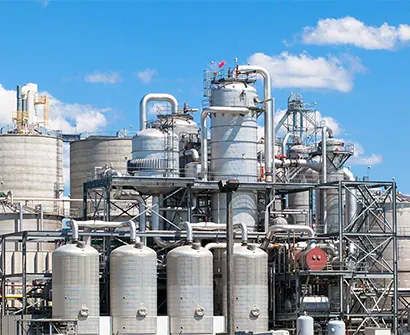
Consistent process performance in the biofuels industry depends on mixing and dosing equipment matched to the full range of process conditions – high-solids slurry agitation in anaerobic digesters, precise methanol and catalyst dosing in biodiesel transesterification, enzyme addition in bioethanol fermentation, and chemical treatment across utility systems. Get any of these wrong, and the consequences show up directly in conversion efficiency, fuel yield, and plant uptime.

Whether you are operating a biodiesel plant, a bioethanol distillery, or a biogas and anaerobic digestion facility, agitators and dosing systems serving your biofuels industry plant need to be matched to the actual substrate, chemistry, and process conditions involved.

Applications

Where Premix Equipment Is Used

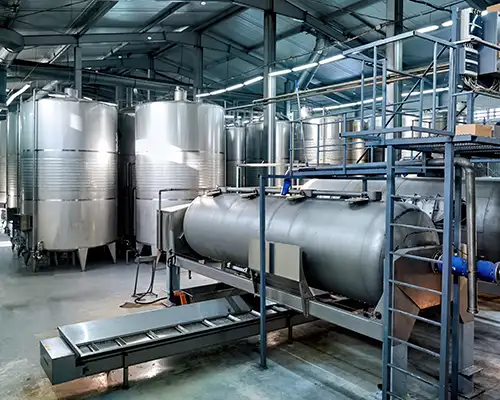
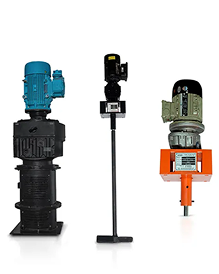
Side entry and long shaft paddle agitators for substrate movement and floating layer control.

Agitators for uniform circulation and stable biological activity.

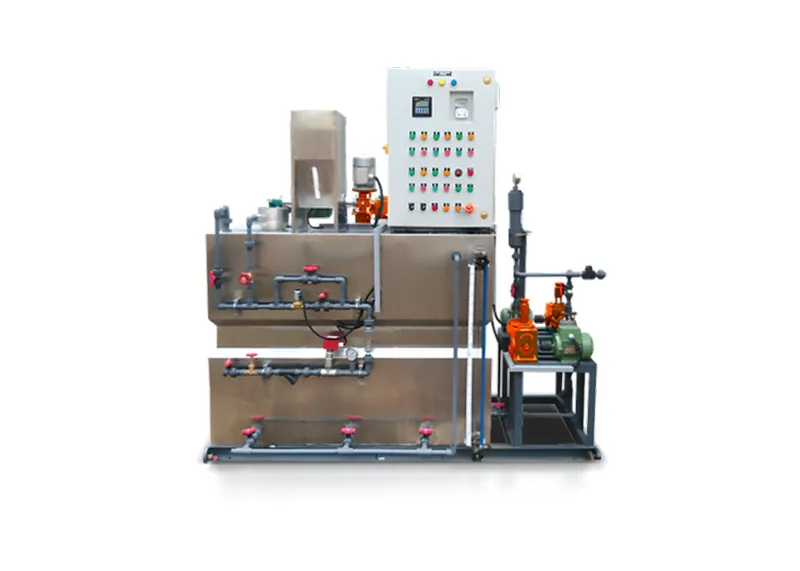
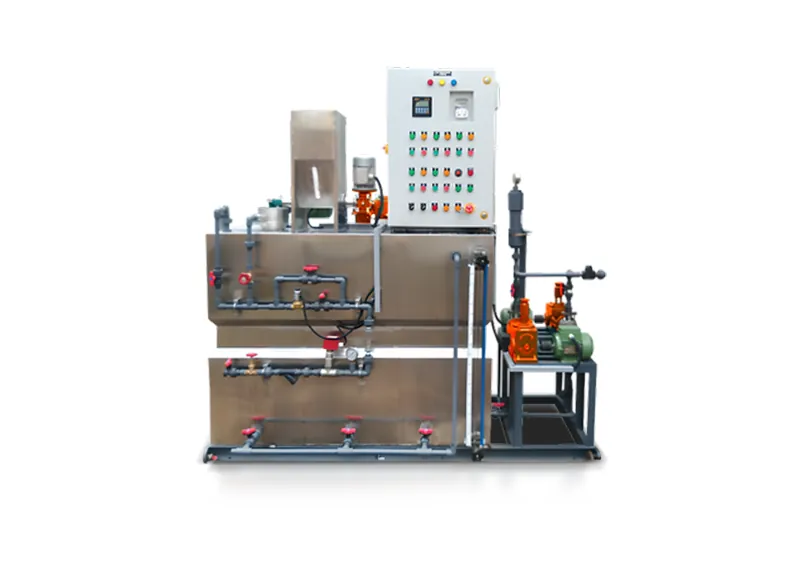
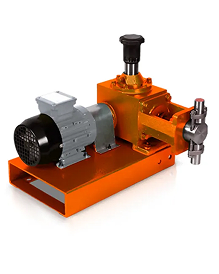
Dosing pumps and systems for pH adjustment, antifoam and treatment chemicals.

What We Actually Help With

Mixing for Biofuel and Biogas Process Vessels

In biofuels industry operations, mixing controls substrate availability, biological activity, and process stability at every stage. Anaerobic digester agitators that fail to maintain uniform substrate distribution create dead zones where biological activity drops, floating scum layers that restrict gas release, and settled sludge beds that reduce effective digester volume. Fermentation vessel agitation in bioethanol production controls yeast suspension, dissolved oxygen, and heat distribution – all directly affecting ethanol yield and fermentation cycle time.

Applications include:

  • Anaerobic digester primary and secondary vessel agitation
  • Floating scum and crust layer breakdown mixing
  • Bioethanol fermentation vessel agitation
  • Biodiesel transesterification and glycerol wash vessels
  • Enzyme and yeast preparation tanks
  • Feedstock slurry preparation and homogenisation
  • Digestate and effluent treatment agitation

Dosing That Controls Process Chemistry

In biofuels industry plants, chemical dosing controls conversion efficiency and biological stability at every process stage. Methanol and catalyst dosing in biodiesel production must stay within tight ratio limits – insufficient catalyst leaves unconverted triglycerides in the product. Enzyme dosing in bioethanol saccharification controls hydrolysis efficiency and fermentable sugar yield. Nutrient dosing in anaerobic digestion maintains the microbial population balance that determines biogas output.

Chemicals and inputs commonly dosed include:

  • Methanol and Sodium or Potassium Hydroxide for transesterification
  • Sulphuric and Hydrochloric Acid for pH correction and pretreatment
  • Enzymes – Cellulase, Amylase, and Glucoamylase for saccharification
  • Nutrients – Nitrogen, Phosphorus, and Trace Elements for anaerobic digestion
  • Antifoam Agents for fermentation vessels
  • Flocculants and Coagulants for Digestate and Effluent Treatment

Where Biofuels Industry Mixing Gets Technical

  • High-Solids Slurry Agitation in Anaerobic Digesters

    Anaerobic digester feedstocks in biofuels industry operations – agricultural slurries, food waste, energy crops – are high-solids, fibrous materials that place severe demands on agitator mechanical design. Undermixed digesters stratify, develop floating crusts, and lose effective working volume – all reducing biogas output without any visible process fault.

  • Floating Layer and Scum Control

    Scum and floating layer formation at the digester surface is one of the most disruptive problems in biofuels industry biogas plants. Floating layers restrict gas release and progressively reduce digester performance. Agitator placement and rotation pattern need to be configured specifically to break and re-incorporate floating material – not just circulate bulk liquid below it.

  • Methanol and Catalyst Ratio Control

    Transesterification is highly sensitive to the methanol-to-oil molar ratio and catalyst concentration. Dosing systems in biofuels industry biodiesel plants need flow-proportional control referenced to feedstock throughput – maintaining a correct ratio regardless of production rate and preventing off-spec product.

Speak With Our Team

Have a biofuels industry digester agitation project, a biodiesel dosing system, or a bioethanol fermentation mixing requirement? We give straight answers – no catalogue quoting without understanding your process first.

+91 89056 16775 | +91 73831 46106

Related Products

Delivering precision-engineered mixing and dosing solutions across diverse industrial sectors with reliability and performance.

Frequently Asked Questions

Q1. Which biofuels industry applications do you supply agitators and dosing equipment for?

Anaerobic digester agitation, floating scum layer control, bioethanol fermentation mixing, biodiesel transesterification vessels, enzyme and nutrient dosing, and digestate treatment – across biofuels industry biogas, biodiesel, and bioethanol operations.

Yes. Agitators for biofuels industry digester applications are configured for high-solids fibrous feedstocks – with impeller geometry, seal design, and drive sizing matched to the actual substrate density and viscosity.

Flow-proportional methanol and hydroxide catalyst dosing systems for biofuels industry biodiesel production – maintaining correct molar ratio across varying production rates, with chemical-resistant wetted parts for methanol and caustic service.

1 Step 1
Contact Form
keyboard_arrow_leftPrevious
Nextkeyboard_arrow_right
FormCraft - WordPress form builder

Get in Touch

Have questions about our products or need a customized solution? Our team is ready to assist you with expert guidance, technical support, and reliable service. Reach out to us today and let’s build efficient solutions together.