Getting crop nutrition and protection chemistry right starts long before anything reaches the field. In the agriculture industries, it starts at the mixing vessel and the dosing pump. Fertiliser concentration that shifts batch to batch, nutrient dosing that runs even slightly outside target rates, or agrochemical formulations that haven’t been properly blended – these don’t just affect product quality. They affect yield, soil condition, and the return on every litre applied.
Once chemicals leave the facility, there’s no correcting a poorly mixed batch. The mixing and dosing equipment serving your agriculture industries operation needs to be right for the actual chemistry, concentration ranges, and process conditions – not carried over from a general industrial setup where agrochemical compatibility was never part of the design brief.

Where Premix Equipment Is Used
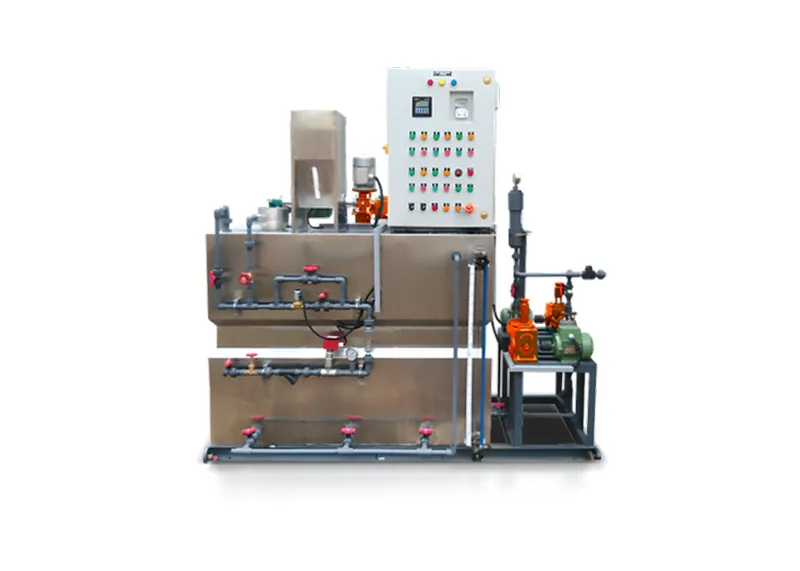
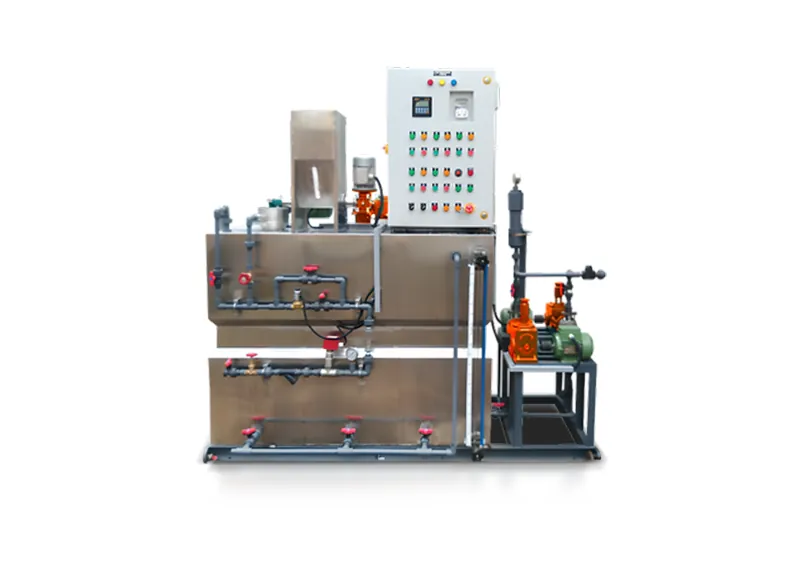
Mixing and dosing for liquid fertilizers, nutrients and treatment chemicals.
pH correction, chlorine, antiscalant and chemical dosing for irrigation and process water.
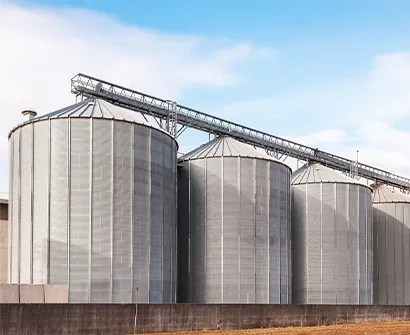
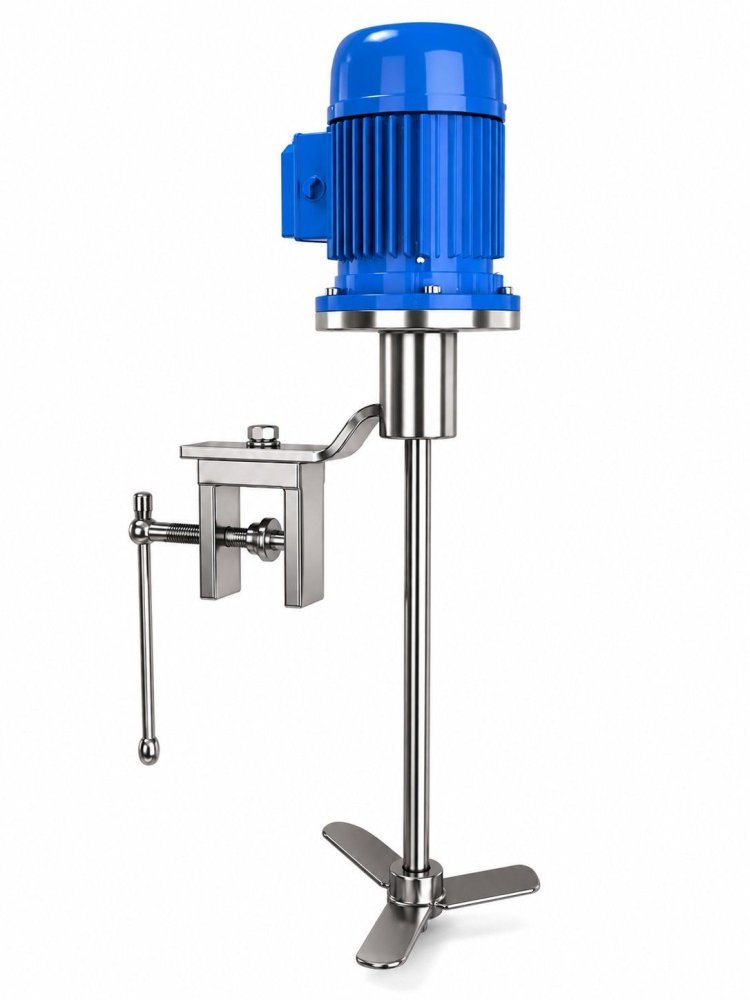
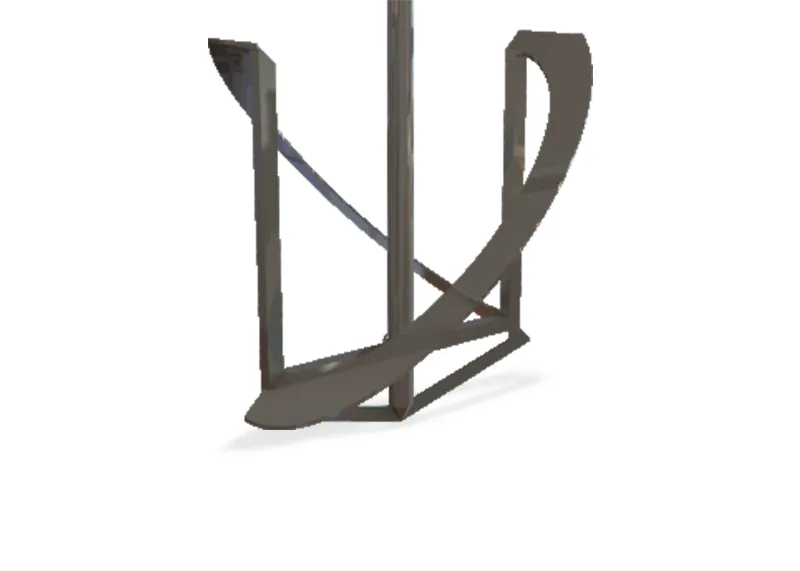
Agitation to maintain homogeneity in stored liquid chemical batches.
Uniform distribution matters more than most people account for in agriculture industries production. Liquid NPK fertilisers that aren’t properly mixed don’t just look wrong – early-drawn product runs over-strength, late-drawn product runs dilute, and neither performs as labelled. Suspension concentrates where the active ingredient hasn’t been properly dispersed settle fast, clog application equipment, and give uneven field coverage that shows up in the crop.
Applications include:
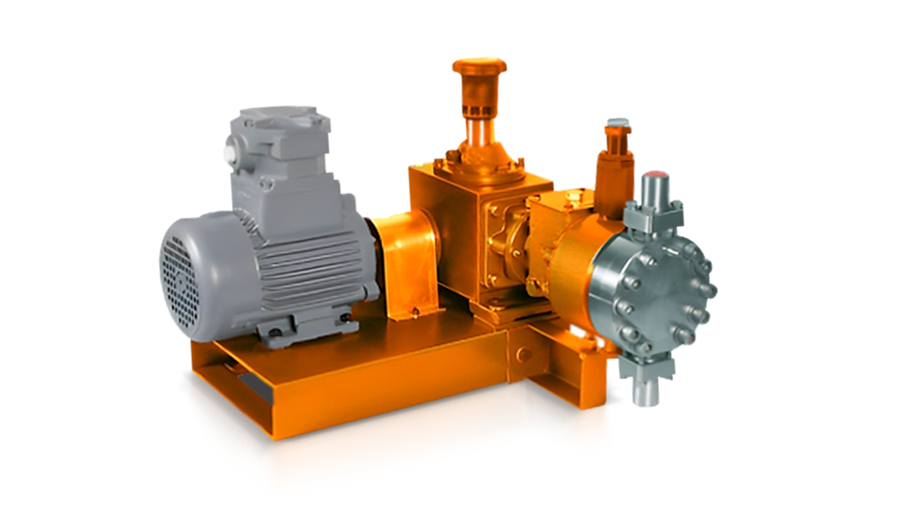
In agriculture industries operations, what gets dosed and at what rate is the whole point. An under-dosed pesticide batch doesn’t meet efficacy requirements. An over-dosed one breaches maximum residue limits. Neither outcome is acceptable, and manual preparation at scale introduces exactly the kind of shift that causes both. Automated flow-proportional dosing holds concentration repeatable across every batch and every shift – taking that variability out of the process entirely.
Chemicals and inputs commonly dosed include:
Suspension Stability in Crop Protection Formulations
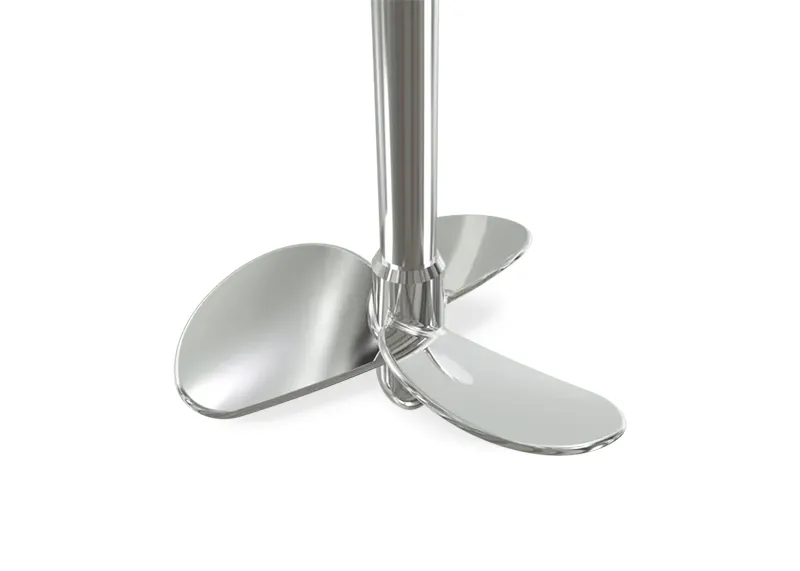
Suspension concentrates in agriculture industries production carry solid actives in liquid carriers, and keeping them there is the challenge. Too little agitation and the solids settle, creating concentration variation from top to bottom of the vessel. Too much shear and particle coatings get damaged, hitting the re-dispersibility of the finished product. There’s a specific window, and impeller type and tip speed both need to sit inside it.
Fertiliser Compatibility and Crystallisation Risk
Blending liquid fertilisers isn’t just a mixing problem – it’s a chemistry problem. Urea ammonium nitrate, potassium nitrate, phosphate solutions, and micronutrient chelates all have limited compatibility windows with each other. Get the addition sequence wrong, or let mixing fall short, and crystallisation starts. That blocks pipework, damages pumps, and sends off-spec product out the door.
Corrosive Chemical Handling
Few industries put equipment through the chemical exposure that agriculture industries operations do – concentrated sulphuric and phosphoric acids, chlorine-based disinfectants, high-salinity fertiliser solutions. Standard materials don’t hold up. Wetted parts across pumps, agitators, and dosing equipment need to be selected against the actual chemical, not assumed from general-purpose grades.
Working on a fertiliser blending line, a crop protection dosing system, or an irrigation water treatment setup for an agriculture industries facility? Tell us what you’re processing, and we’ll give you a straight answer – no catalogue quoting before we understand the process.
+91 89056 16775 | +91 73831 46106
Delivering precision-engineered mixing and dosing solutions across diverse industrial sectors with reliability and performance.
Liquid fertiliser blending, suspension and emulsifiable concentrate preparation, crop protection chemical dosing, fertigation nutrient dosing, irrigation water disinfection, and effluent treatment – across agriculture industries, production and field support operations.
Yes. Flow-proportional dosing systems for agriculture industries fertigation hold target nutrient concentration steady across variable irrigation flow conditions – configured for the specific solutions, flow ranges, and pressures of the system.
PVDF, PP, FRP, and high-alloy stainless grades – chosen based on the specific chemical, concentration, and temperature conditions of the agriculture industries application.
Have questions about our products or need a customized solution? Our team is ready to assist you with expert guidance, technical support, and reliable service. Reach out to us today and let’s build efficient solutions together.