Oil & Gas Industries

Oil & Gas Industries - Agitators, Dosing Pumps & Chemical Dosing Systems

The oil & gas industries sector operates under conditions that eliminate any tolerance for equipment failure – high pressures, extreme temperatures, flammable hydrocarbons, and corrosive process streams running continuously in environments where a single failure carries consequences far beyond the equipment itself. Mixing and dosing systems in this sector are not utility equipment. They are process-critical assets.

Whether you are operating an upstream production facility, a midstream pipeline station, a refinery, or a petrochemical processing unit, the agitators and dosing systems serving your oil & gas industries operation need to be specified for the actual process – not selected from a standard industrial range and adapted to fit.


Applications

Where Premix Equipment Is Used

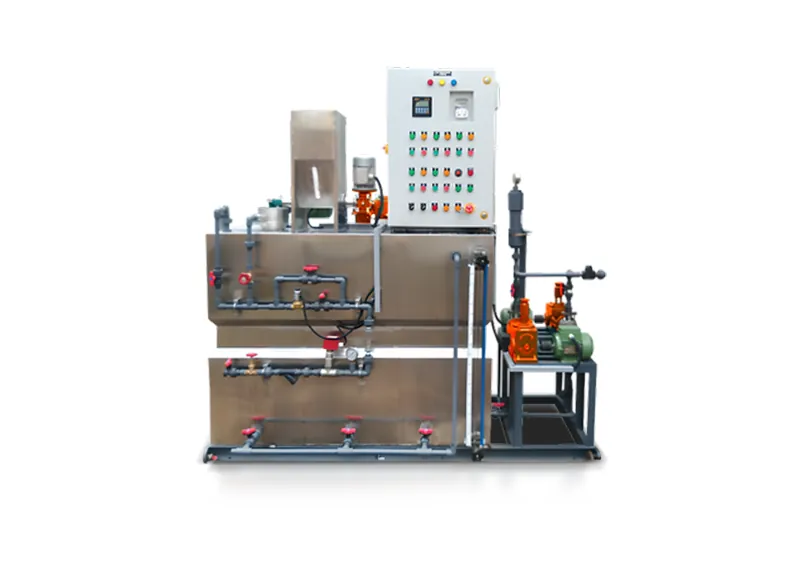
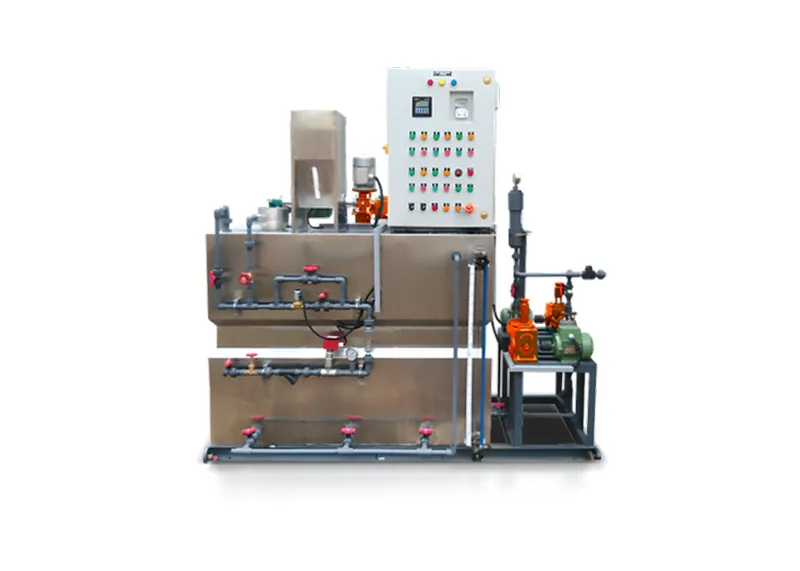
Integrated packages for safe and accurate dosing into pipelines, tanks and process systems.

Integrated packages for safe and accurate dosing into pipelines, tanks and process systems.

Integrated packages for safe and accurate dosing into pipelines, tanks and process systems.

Integrated packages for safe and accurate dosing into pipelines, tanks and process systems.

Integrated packages for safe and accurate dosing into pipelines, tanks and process systems.

Integrated packages for safe and accurate dosing into pipelines, tanks and process systems.

Integrated packages for safe and accurate dosing into pipelines, tanks and process systems.

Chemical Injection That Stays Precise Under Pressure

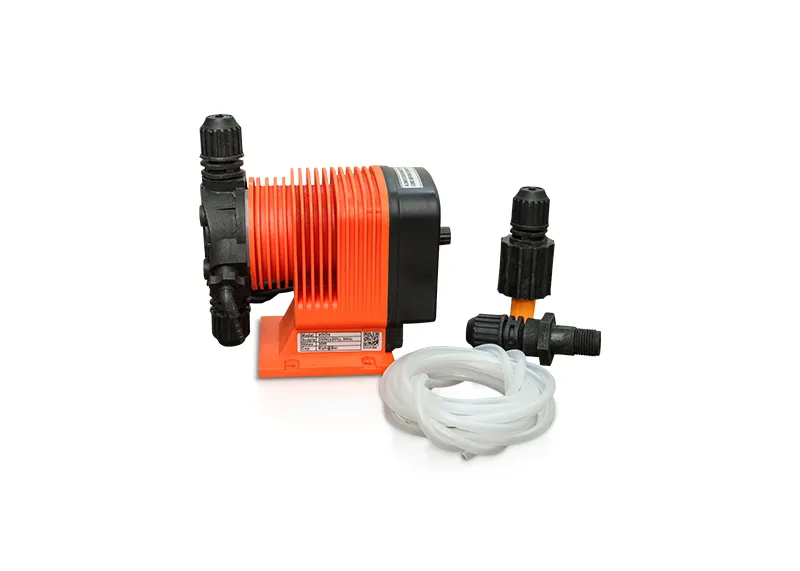
In oil & gas industries applications, chemical injection systems operate against high back pressures, variable flow rates, and process conditions that shift constantly. A dosing system that cannot hold accurate injection rates under these conditions wastes expensive chemical, reduces treatment effectiveness, and creates compliance risk. Automated injection systems with pressure-compensated controls maintain accurate dosing regardless of line pressure variation or flow fluctuation.

Applications include:

  • Corrosion inhibitor injection into pipelines and process vessels
  • Scale inhibitor dosing for produced water handling
  • Demulsifier injection for oil-water separation
  • Biocide dosing for produced water and cooling systems
  • Methanol and MEG injection for hydrate inhibition
  • H2S scavenger dosing for sour gas streams

Mixing Built for Hydrocarbon and Produced Water Service

Mixing in oil & gas industries facilities covers a wide range of fluids – crude oil, produced water, emulsions, drilling muds, and chemical solutions – each with different density, viscosity, and compatibility requirements. An agitator that works in one service will fail rapidly in another if the impeller type, shaft seal, and material selection are not matched to the specific fluid and operating conditions.

Packaged Skid Systems for Offshore and Remote Onshore Sites

Oil & gas industries facilities – particularly offshore platforms and remote onshore production sites – have limited space, restricted installation windows, and no tolerance for equipment that arrives incomplete. Pre-assembled skid-mounted chemical injection and mixing packages reduce installation time to a minimum, arrive fully tested, and are built to the footprint and weight constraints the site actually has.

Depth of Application - Where Oil & Gas Industries Mixing Gets Technical

  • Hazardous Area Classification Is Non-Negotiable
    Every piece of electrical equipment operating in oil & gas industries facilities – motors, control panels, instruments, junction boxes – must carry the correct ATEX or IECEx certification for the zone it is installed in. This applies to dosing skids, agitator drive units, and any instrumentation on the package. Standard industrial equipment cannot be used in these environments regardless of cost pressure.
  • H2S and Sour Service Require NACE Compliance
    Equipment in sour service – where hydrogen sulphide is present – must meet NACE MR0175 / ISO 15156 material requirements. Standard grades of stainless steel are susceptible to sulphide stress cracking in H2S environments. Material selection for oil & gas industries sour service is a metallurgical decision, not a procurement one.
  • High Back Pressure Changes Dosing System Design
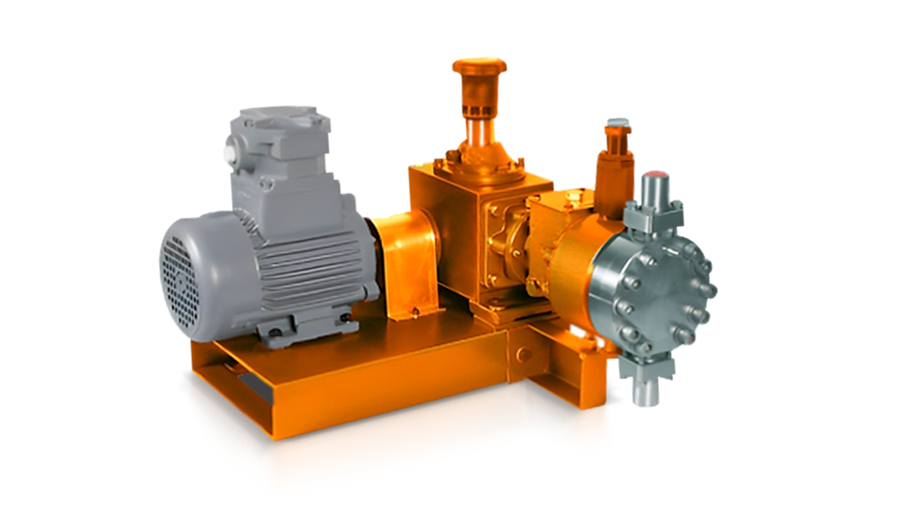
    Chemical injection into high-pressure pipelines and vessels requires dosing pumps with sufficient differential pressure capability and proper pulsation dampening. An undersized pump loses injection accuracy as back pressure increases. Reciprocating high-pressure dosing pumps with pressure relief and back-pressure valves are standard in oil & gas industries injection service for exactly this reason.
  • Emulsion and Multiphase Mixing Needs Specialist Selection
    Crude oil emulsions and multiphase streams in oil & gas processing do not behave like single-phase fluids. Agitator impeller selection, tip speed, and power input all affect whether the mixing achieves the process objective – separation, blending, or chemical contact – without creating a more stable emulsion than the one you started with.
  • Continuous Duty in Harsh Environments
    Oil & gas industries equipment operates in salt-laden offshore air, high-humidity tropical onshore environments, and desert conditions with extreme thermal cycling. Bearing specifications, seal types, coating systems, and motor enclosure ratings all need to reflect the actual installation environment – not a standard onshore industrial assumption.

Speak With Our Team

  • Have a new project, an upgrade, or a wastewater industry system that is underperforming? We give straight answers – no catalog quoting without understanding your process first.
    +91 89056 16775 | +91 73831 46106

Related Products

Delivering precision-engineered mixing and dosing solutions across diverse industrial sectors with reliability and performance.

Frequently Asked Questions

Q1. Which oil & gas industries applications do you supply mixing and dosing equipment for?

Corrosion and scale inhibitor injection, demulsifier dosing, hydrate inhibition, biocide treatment, H2S scavenging, produced water handling, and drilling mud mixing – across upstream, midstream, and refinery applications.

Yes. Complete skid packages are available with ATEX-certified motors, instruments, and control panels built to the zone classification and area classification requirements of the installation site.

 Duplex and super duplex stainless steel for produced water and sour service, Hastelloy C for high-chloride and H2S environments, PTFE-lined components for chemical injection service, and carbon steel with internal lining for bulk storage – all selected against NACE MR0175 requirements where sour service applies.

1 Step 1
Contact Form
keyboard_arrow_leftPrevious
Nextkeyboard_arrow_right
FormCraft - WordPress form builder

Get in Touch

Have questions about our products or need a customized solution? Our team is ready to assist you with expert guidance, technical support, and reliable service. Reach out to us today and let’s build efficient solutions together.