Brewing & Distilling Industries

Brewing & Distilling Industries - Agitators, Dosing Pumps & Chemical Dosing Systems

The brewing & distilling industries run on process consistency. Every batch that leaves a facility carries the brand – and any variation in fermentation, blending, ingredient dosing, or cleaning protocol shows up in the product. Equipment that performs inconsistently is not just a maintenance problem in this sector – it is a product quality problem that reaches the customer.

Whether you are operating a craft brewery, a large-scale malt beverage facility, a grain distillery, or a molasses-based spirits plant, the mixers and dosing systems serving your brewing & distilling industries operation need to match food-grade standards, hygienic design requirements, and the specific process chemistry of what you are producing.

Applications

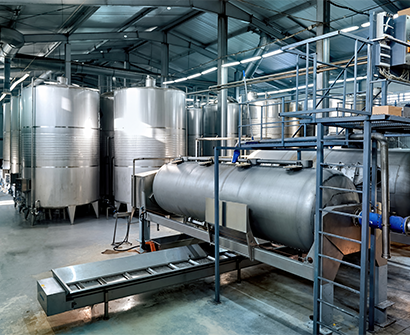
Where Premix Equipment Is Used

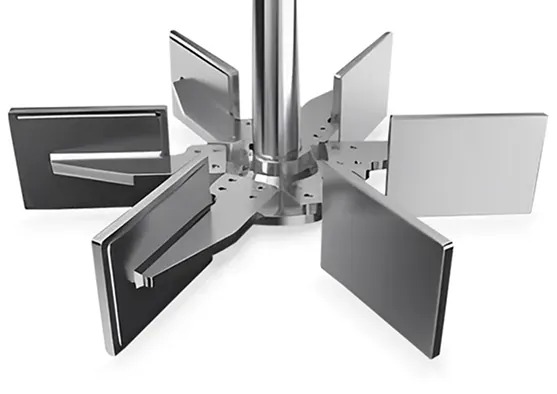
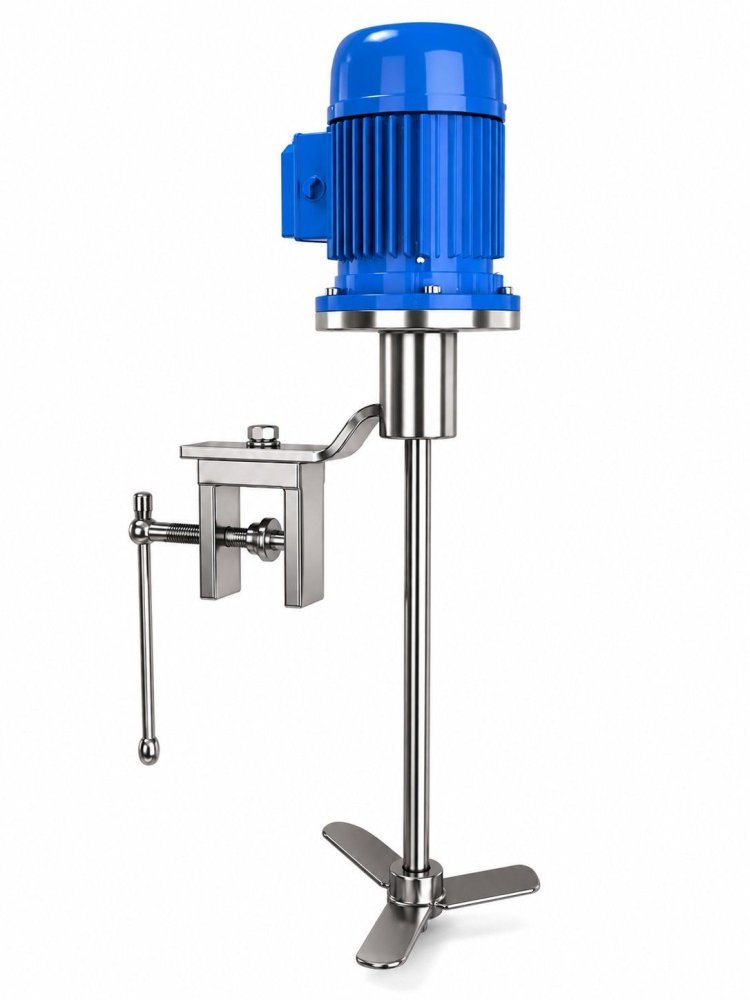
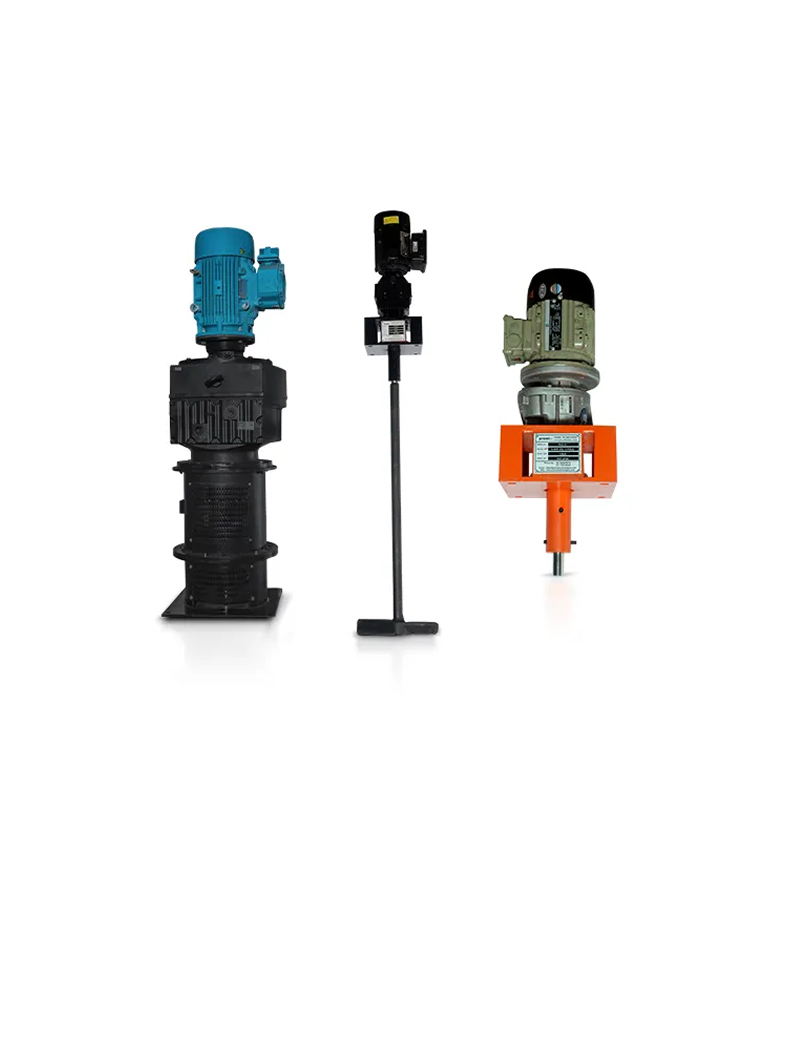
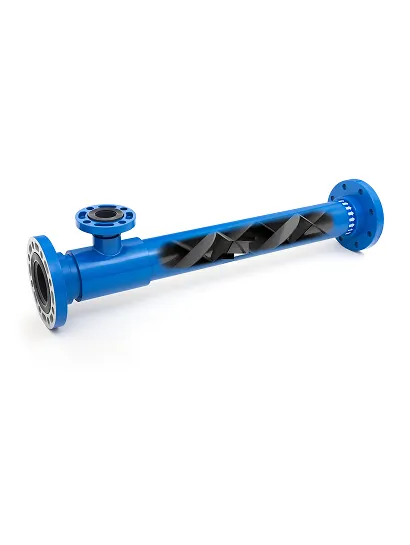
Agitators for controlled circulation and uniform process conditions.

Mixing That Protects Product Quality

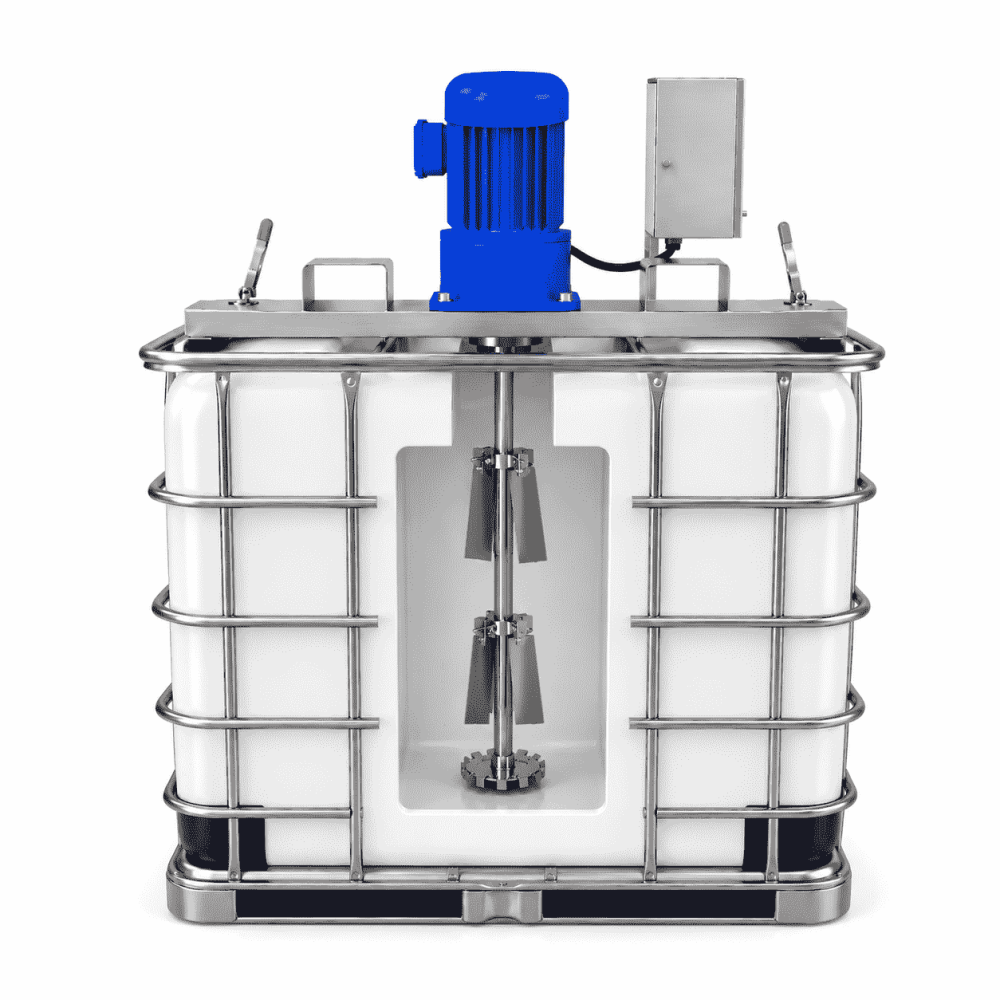
In brewing & distilling industries, mixing directly affects fermentation performance, yeast health, and extract yield. An agitator that creates excessive shear stresses on yeast and reduces viability. One that leaves dead zones allows temperature stratification and inconsistent fermentation across the batch. Every mixer needs to match the vessel size, process stage, and product being made.

Applications include:

  • Mash tuns and fermentation vessel agitation
  • Blending and dilution tanks for spirits and beer
  • CIP chemical preparation and dosing tanks
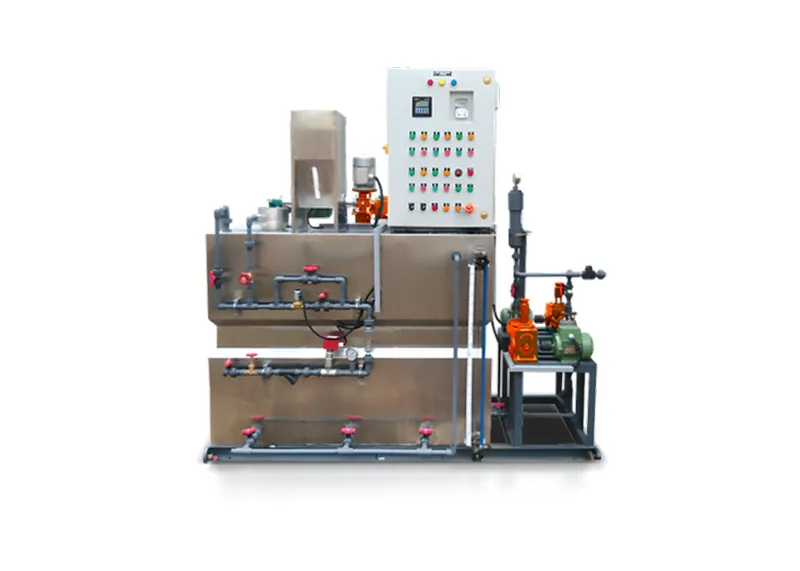
  • Ingredient, adjunct, and enzyme dosing systems
  • Effluent and spent grain slurry mixing

Packaged Systems for Hygienic Installations

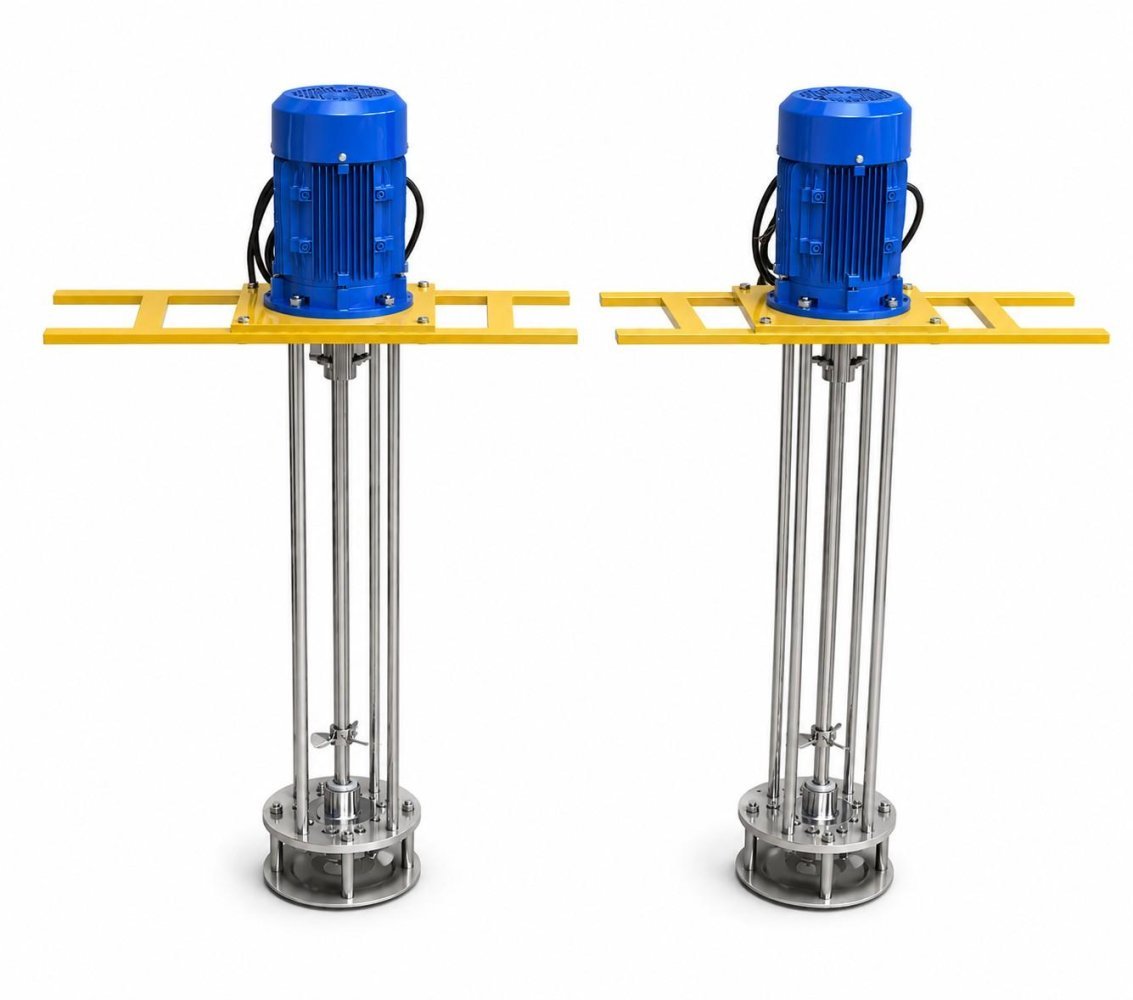
Brewing & distilling industries facilities demand a hygienic design across every piece of equipment that contacts product or product-contact surfaces. Pre-assembled skid-mounted packages – electropolished internals, tri-clamp connections, no dead legs – reduce installation time and eliminate integration risk from assembling components from multiple suppliers on site.

Dosing That Keeps Every Addition Accurate

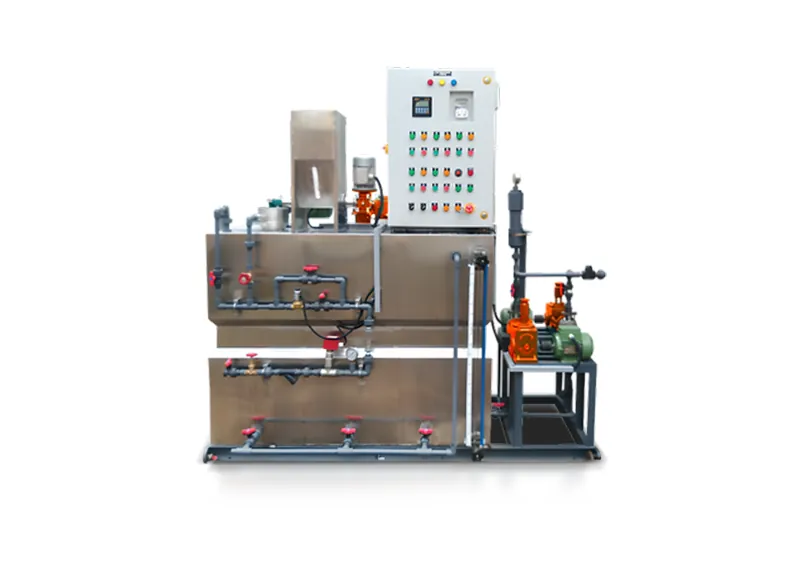
Precise dosing across brewing & distilling industries processes controls everything from alcohol yield to cleaning effectiveness. Underdosing CIP chemicals means incomplete sanitation – a direct contamination risk. Overdosing adjuncts or enzymes affects flavour and fermentation behaviour. Automated dosing systems maintain accurate addition rates batch after batch, removing the variability that manual handling introduces.

Chemicals and ingredients commonly dosed include:

  • CIP Chemicals – Caustic, Acid, and Sanitiser solutions
  • Enzymes for mash conversion and adjunct processing
  • Yeast nutrients and fermentation aids
  • Antifoam agents for fermentation and filling lines
  • Fining agents and clarification chemicals

Depth of Application - Where Brewing & Distilling Industries Get Technical

  • Hygienic Design Is a Process Requirement
    Any surface contacting product or CIP solution needs a Ra surface finish, full drainability, no internal threads, and tri-clamp connections throughout. Standard industrial equipment does not meet these requirements and cannot be used in product-contact service regardless of material grade.
  • Fermentation Mixing Requires Controlled Shear
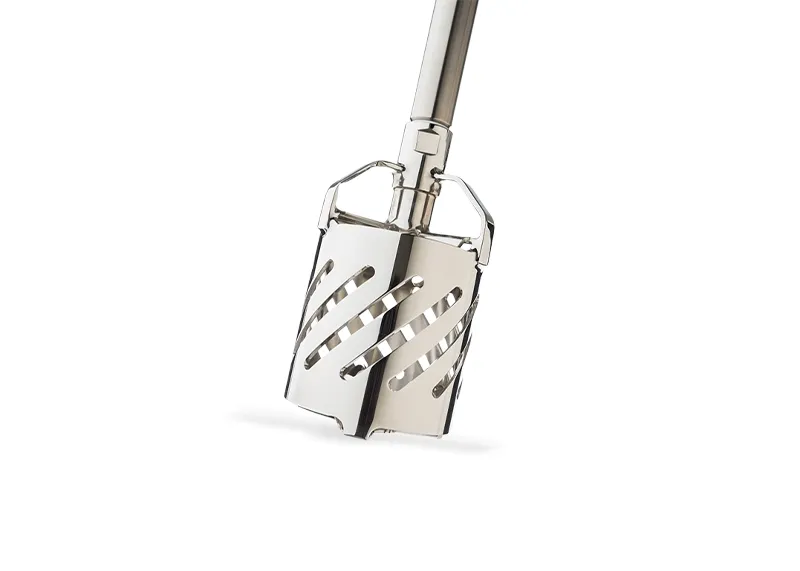
    Yeast is sensitive to mechanical shear. Agitators in fermentation vessels need enough circulation for temperature uniformity and yeast suspension, without the tip speed or impeller geometry that damages cell walls and reduces fermentation efficiency.
  • CIP Compatibility Across the Entire System
    Every component in a brewing & distilling industries dosing or mixing system within a CIP circuit needs to withstand repeated exposure to hot caustic, acid, and sanitiser. Seals, gaskets, impeller materials, and tank linings all need CIP compatibility verification – not just food-grade certification in isolation.
  • Alcohol Vapour and Hazardous Area Classification
    Distilling facilities handling ethanol operate in classified hazardous areas. Motors, instruments, and control equipment in spirit storage, filling, and blending areas need ATEX or IECEx ratings. This applies to every dosing skid and agitator drive unit installed in these zones.
  • Effluent From Brewing Is High-Strength and Variable
    Spent grain liquor, yeast slurry, and CIP returns from brewing & distilling industries operations produce effluent high in BOD and variable in pH. Getting wastewater treatment right requires the same attention to agitator and dosing system selection as the production side.

Speak With Our Team

  • Have a new brewing & distilling industries project, a fermentation mixing problem, or a dosing system affecting product consistency? We give straight answers – no catalog quoting without understanding your process first.

    +91 89056 16775 | +91 73831 46106

Related Products

Delivering precision-engineered mixing and dosing solutions across diverse industrial sectors with reliability and performance.

Frequently Asked Questions

Q1. Which brewing & distilling industries applications do you supply equipment for?

Mash mixing, fermentation agitation, blending tanks, CIP dosing, ingredient addition, and effluent treatment – across craft breweries, large beverage facilities, grain distilleries, and molasses-based spirits plants.

Yes. Product-contact equipment is available with electropolished SS 316L internals, full drainability, and tri-clamp connections suited to hygienic and CIP service.

Yes. Agitator drives and dosing skids are available with ATEX-certified motors and instruments for hazardous area installations in brewing & distilling industries, spirit storage and blending environments.

1 Step 1
Contact Form
keyboard_arrow_leftPrevious
Nextkeyboard_arrow_right
FormCraft - WordPress form builder

Get in Touch

Have questions about our products or need a customized solution? Our team is ready to assist you with expert guidance, technical support, and reliable service. Reach out to us today and let’s build efficient solutions together.