Cement Industry

Cement Industry - Agitators, Dosing Pumps & Chemical Dosing Systems

Process performance in cement industry plants breaks down in ways that take time to trace – and when the root cause finally surfaces, it almost always points back to mixing or dosing equipment that was never properly matched to what the process fluid actually does under operating conditions.

Raw slurry preparation, grinding aid dosing, cooling water treatment, kiln feed homogenisation, effluent and dust suppression systems – each carries specific mixing and dosing demands that general-purpose equipment selections consistently miss. The consequences show up in clinker quality, specific heat consumption, and kiln availability across production runs.

Integrated cement plants, grinding units, clinker terminals – agitators and dosing systems serving each need to match actual slurry density, actual chemical compatibility, and actual process temperatures involved. Not a nearest-equivalent catalogue selection.

Applications

Where Premix Equipment Is Used

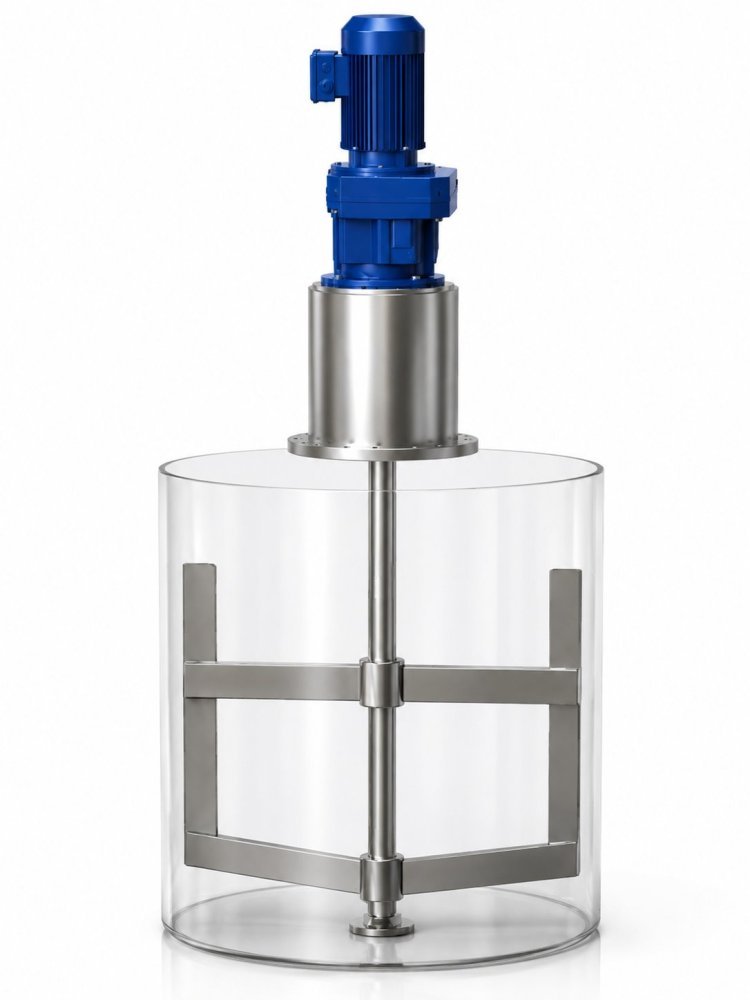
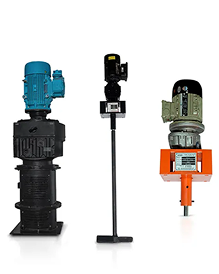
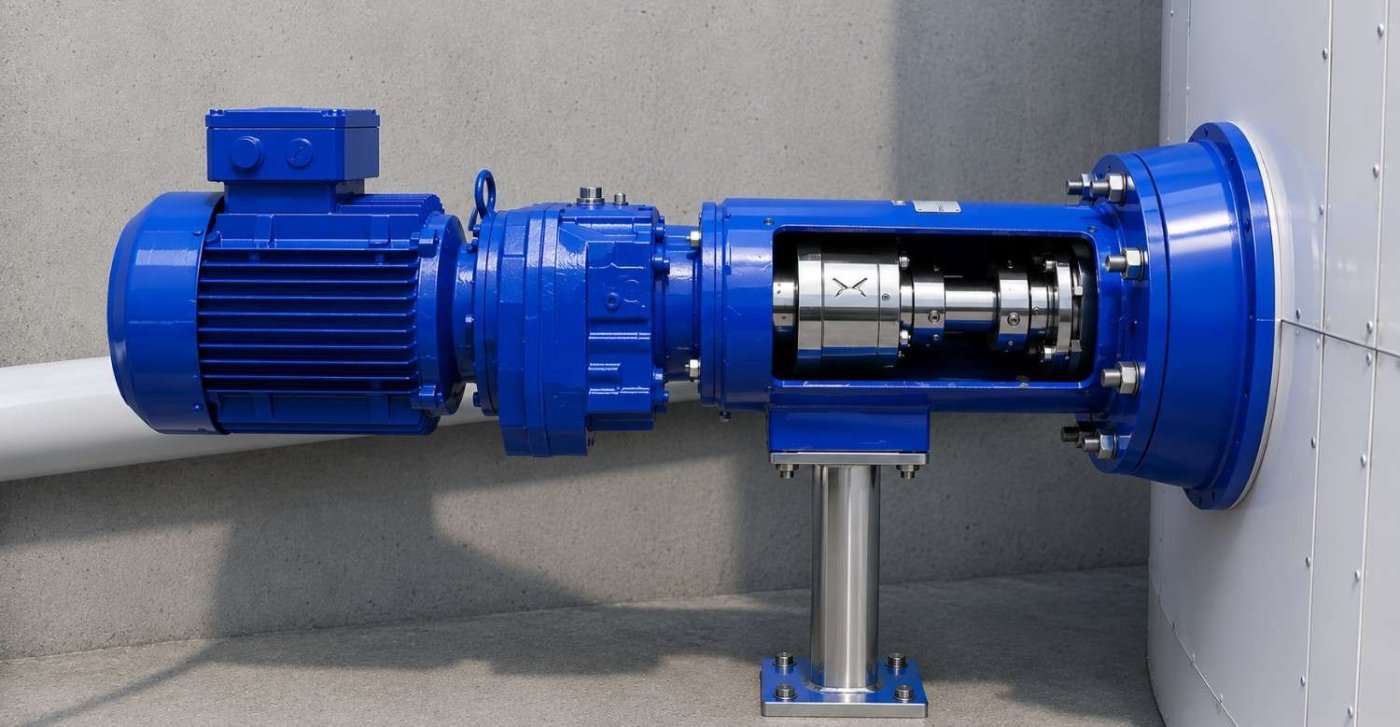
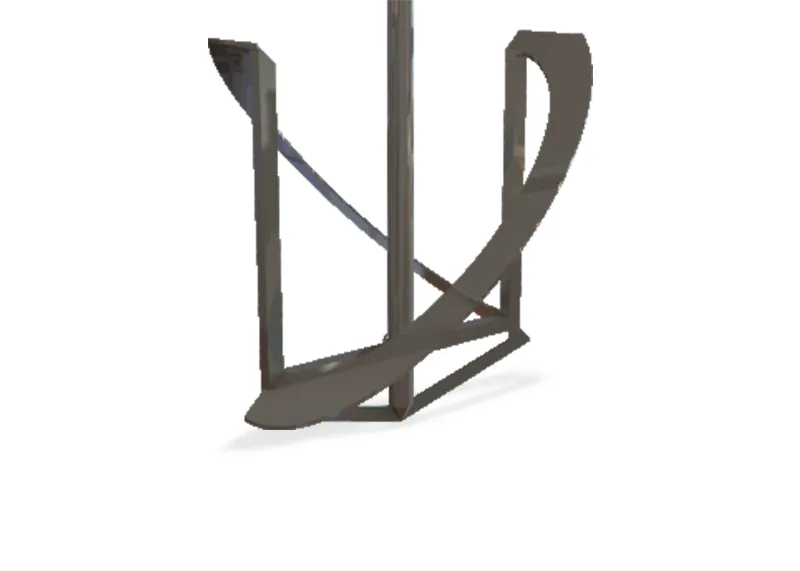
Side entry and long shaft paddle agitators for substrate movement and floating layer control.

Agitators for uniform circulation and stable biological activity.

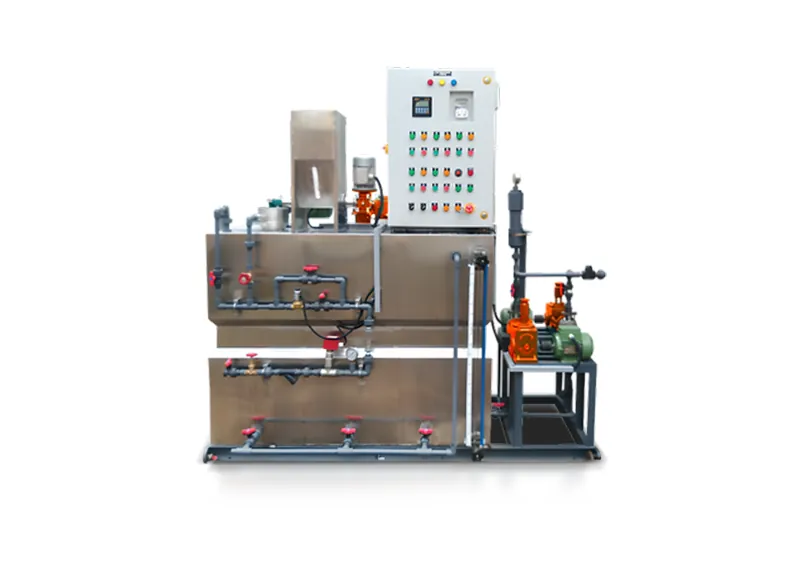
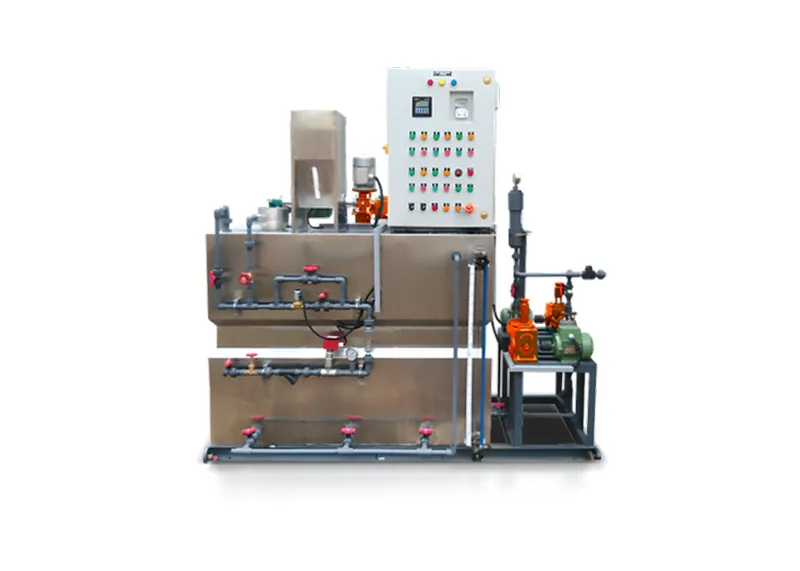
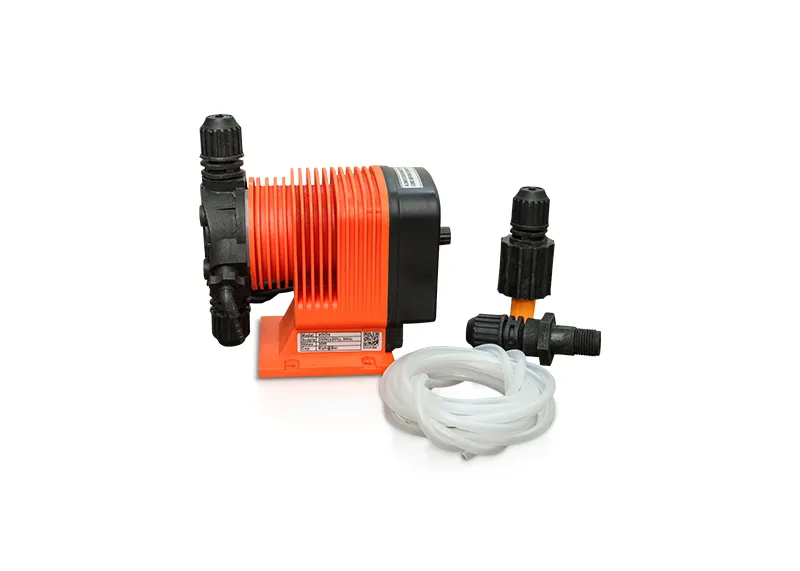
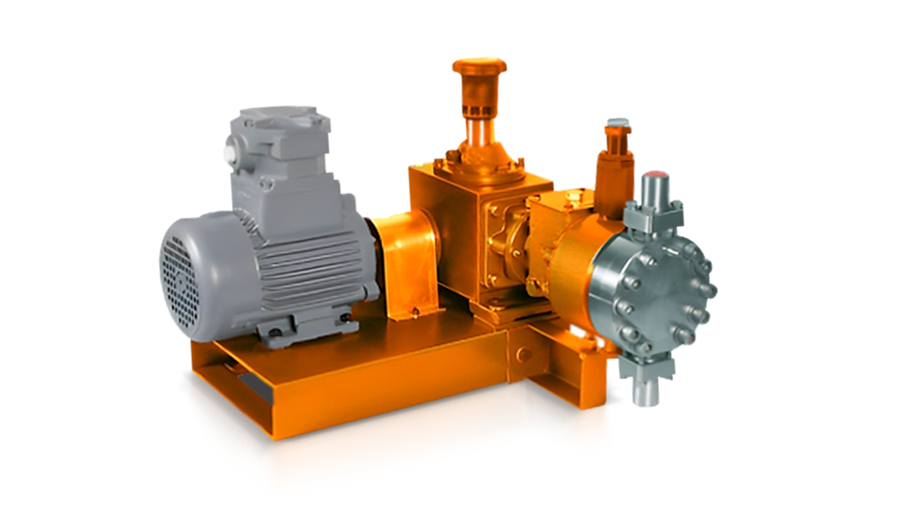
Dosing pumps and systems for pH adjustment, antifoam and treatment chemicals.

Dosing pumps and systems for pH adjustment, antifoam and treatment chemicals.

Dosing pumps and systems for pH adjustment, antifoam and treatment chemicals.

Dosing pumps and systems for pH adjustment, antifoam and treatment chemicals.

What We Actually Help With

Mixing for Cement Industry Process Vessels

Raw meal slurry agitators in wet process plants that lose suspension uniformity create kiln feed inconsistencies – affecting flame stability, clinker mineral formation, and ultimately compressive strength in the finished product. Grinding aid dosing without proper distribution at the mill inlet produces uneven coating of clinker particles, increasing specific power consumption without delivering the expected throughput gain.

Applications include:

  • Raw slurry preparation and homogenisation tank agitation
  • Kiln feed blending and storage silo mixing
  • Grinding aid and pack set inhibitor dosing vessels
  • Cooling water chemical treatment mixing
  • Fly ash and slag slurry conditioning agitation
  • Effluent neutralisation and treatment vessel mixing
  • Chemical preparation and storage tank agitation

Dosing That Controls Cement Industry Process Chemistry

Grinding aid dosing at ball mills and vertical roller mills controls throughput and specific energy consumption directly – dosing rate drift of even a few percent changes mill performance visibly. Cooling water antiscalant and biocide dosing in cement plant cooler circuits controls scaling and biological fouling that reduces heat exchange efficiency in clinker coolers. Dust suppression chemical dosing in stockyard and transfer point systems needs consistent output regardless of ambient temperature variation.

Chemicals commonly dosed include:

  • Grinding Aids – TEA, TIPA, Glycol-based – for ball mill and VRM throughput
  • Pack Set Inhibitors for cement silo storage and bulk handling
  • Antiscalants and Biocides for cooling water circuits
  • Corrosion Inhibitors for kiln cooling and process water systems
  • Flocculants and Coagulants for effluent and wash water treatment
  • Dust Suppressants for stockyard and clinker handling systems
  • Alkali and Acid for pH correction in effluent treatment

Where Cement Industry Mixing Gets Technical

  • Raw Slurry Homogenisation

    Raw slurry in wet process cement plants carries high solids loading with abrasive limestone and clay particles that settle rapidly when agitation drops below a threshold velocity. Agitators sized on average operating density routinely fail during high-solids batches – settled beds form at vessel bases, effective mixing volume drops, and kiln feed composition drifts before anyone identifies the agitator as the cause.

  • Grinding Aid Dosing Accuracy

    Grinding aids in cement mills are dosed at grams-per-tonne of clinker throughput – low flow rates where pump pulsation and back-pressure variation directly affect actual delivered dose. Output stability across mill load changes matters more than peak flow capacity. Pulsation dampening and accurate turndown are not optional features at these dose rates.

  • Effluent Neutralisation Agitation

    Cement plant effluent carries high alkalinity, suspended solids, and variable flow rates depending on rainfall and washdown cycles. Agitators in neutralisation vessels need to handle intermittent high-solids loading without stalling, and chemical dosing systems need flow-proportional control referenced to actual effluent flow, not fixed-rate addition.

Speak With Our Team

Have a cement industry raw slurry agitation project, a grinding aid dosing system, or a cooling water treatment requirement? We give straight answers – no catalogue quoting without understanding your process first.

+91 89056 16775 | +91 73831 46106

Related Products

Delivering precision-engineered mixing and dosing solutions across diverse industrial sectors with reliability and performance.

Frequently Asked Questions

Q1. Which cement industry applications do you cover?

Raw slurry homogenisation, kiln feed blending, grinding aid dosing, cooling water treatment, fly ash slurry conditioning, dust suppression dosing, and effluent neutralisation – across integrated cement plants, grinding units, and clinker terminals.

Yes – impeller materials, seal design, and drive sizing are all selected for abrasive high-solids slurry service at actual operating density, not average conditions.

Low-pulsation metering systems with accurate turndown for gram-per-tonne dose rates – stable output across varying mill load and back-pressure, with wetted materials compatible with glycol and amine-based grinding aid chemistry.

1 Step 1
Contact Form
keyboard_arrow_leftPrevious
Nextkeyboard_arrow_right
FormCraft - WordPress form builder

Get in Touch

Have questions about our products or need a customized solution? Our team is ready to assist you with expert guidance, technical support, and reliable service. Reach out to us today and let’s build efficient solutions together.