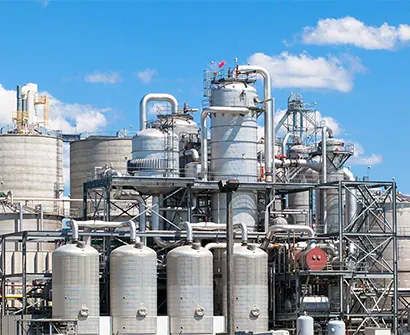
A petrochemicals plant runs on tight process control. When something goes wrong, the investigation takes weeks. But the cause is usually simple. The agitator was wrong for the fluid. Or the dosing pump was not matched to the application.
That one mismatch creates a chain of problems. Product goes off-spec. Heat exchangers foul. Units shut down unplanned.
We help plants avoid this. We supply agitators and dosing systems that are matched to the actual process – not selected from a catalogue.
Where Premix Equipment Is Used
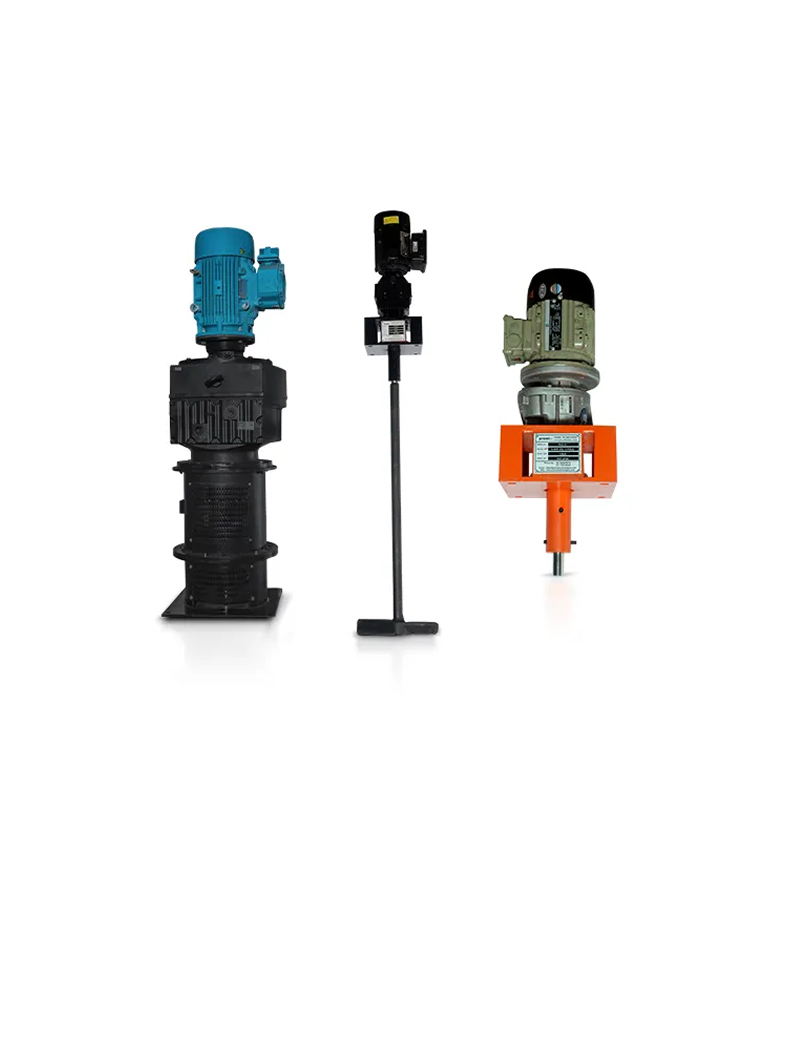
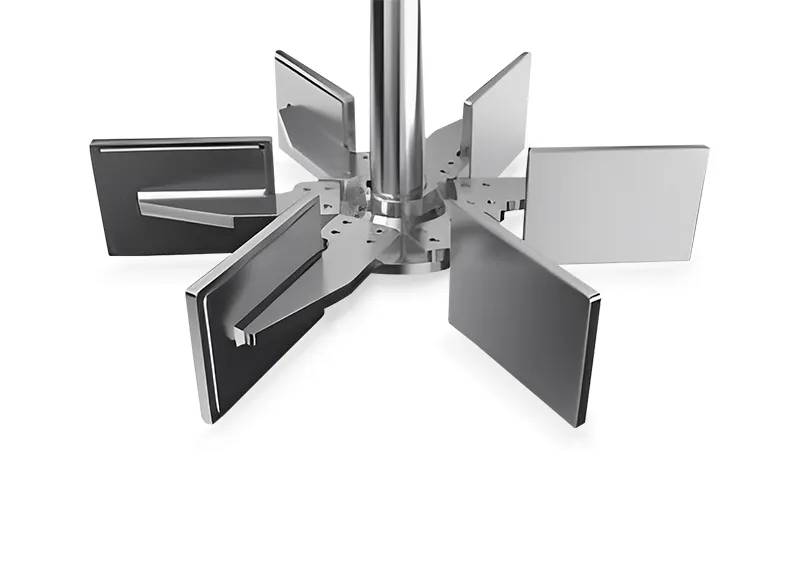
Side entry and long shaft paddle agitators for substrate movement and floating layer control.
Agitators for uniform circulation and stable biological activity.
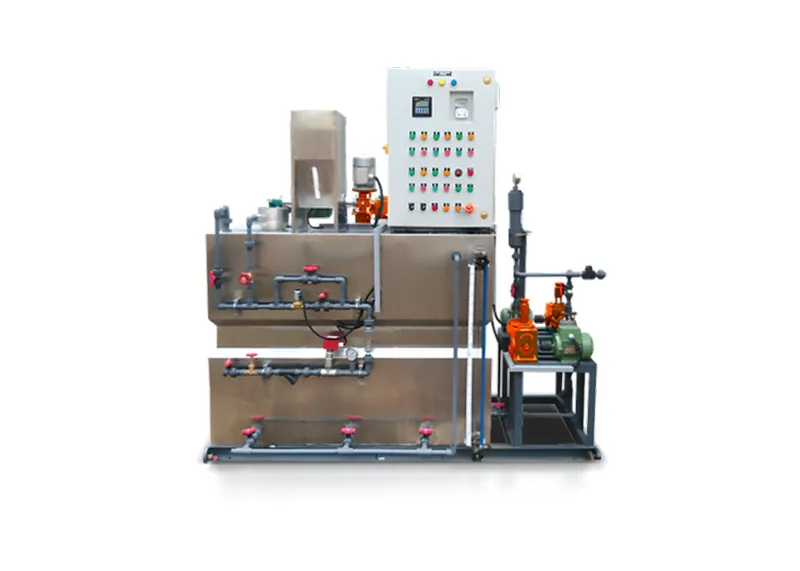
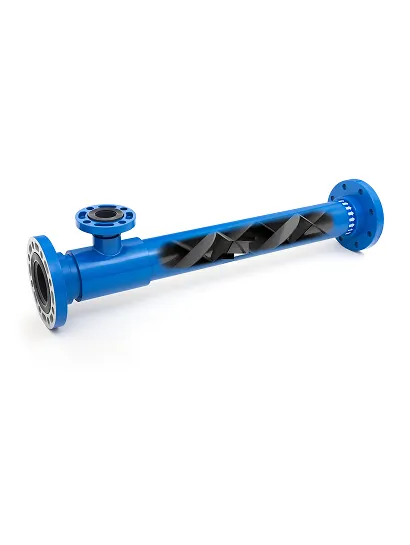
Dosing pumps and systems for pH adjustment, antifoam and treatment chemicals.
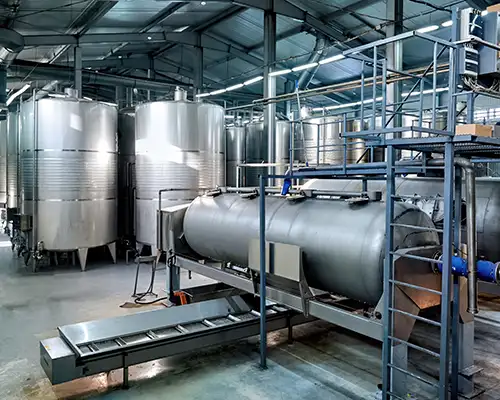
We cover mixing and dosing across the full plant. Reactor feed vessels. Caustic wash systems. Cooling water circuits. Polymer blending tanks. Wastewater treatment units.
Each one has different fluid properties. Different temperatures. Different chemical demands. One standard solution does not work across all of them.
We size each unit for the actual application – fluid density, viscosity, temperature, and chemical type all considered before selection.
We supply agitators for every major vessel type in a petrochemicals plant.
Common applications include:
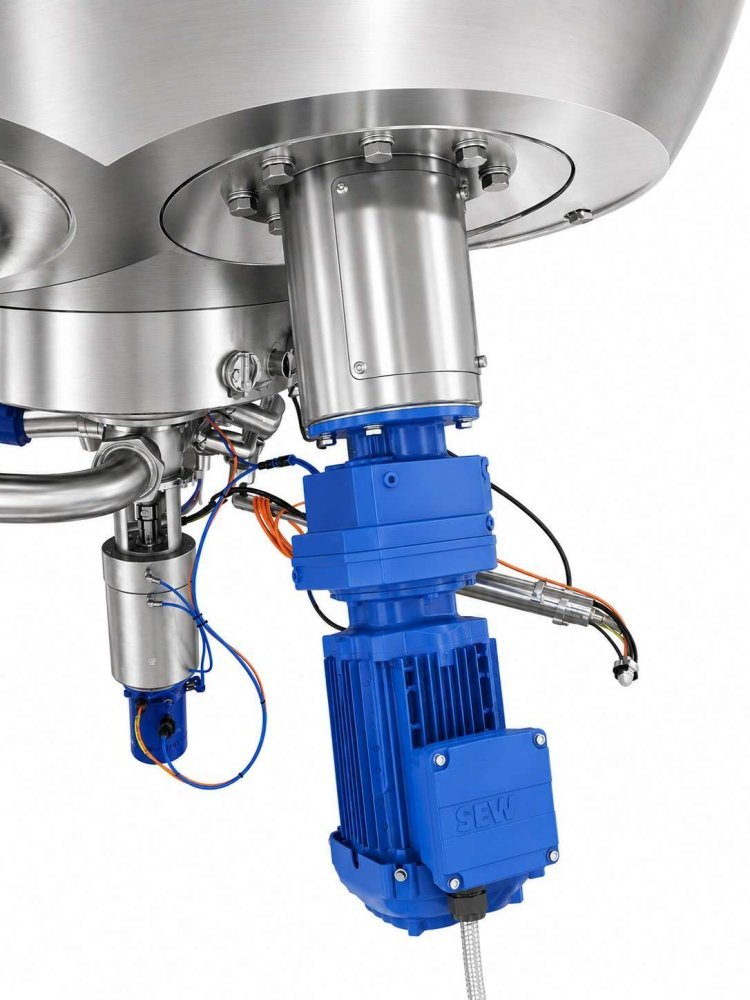
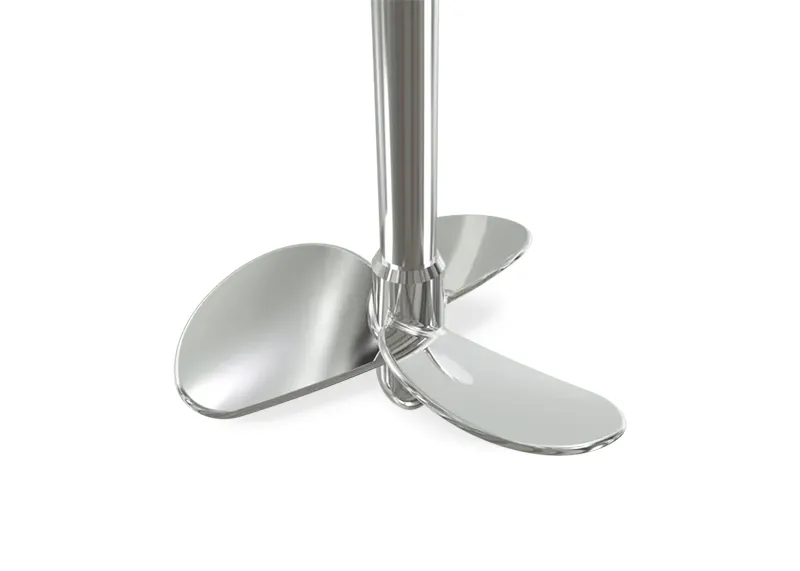
Each agitator is sized for the specific vessel. Impeller type, shaft length, drive power, and seal arrangement are all selected for the actual fluid and operating conditions.
Dosing accuracy matters in every circuit. A small error in dose rate creates a large process problem.
Chemicals we handle include:
Every dosing system is sized for the actual chemical. Flow rate, back-pressure, and material compatibility are all verified before supply.
Reactor Feed Vessels at High Temperature
Cold startup viscosity is much higher than operating viscosity. Most agitators are sized for operating conditions only. At cold startup, torque demand is much higher. The drive trips. The seal fails. Production delays follow.
We size for startup torque. Not just running conditions.
Antifoulant Dosing at Low Flow Rates
Antifoulants dose at very low flow rates. Even small pump pulsation creates uneven dosing. The inhibitor does not work as intended. Coke builds up faster than expected.
We use low-pulsation pumps. Output stays stable even at the lowest flow rates.
Caustic Wash Vessel Agitation
Caustic wash vessels carry high pH, high temperature, and hydrocarbon exposure – all at the same time. Each condition changes what materials and seals are needed. We select for all three together. Not one at a time.
Have a mixing or dosing requirement in a petrochemicals plant? Tell us the application. We give a direct answer – no catalogue quoting before we understand the process.
+91 89056 16775 | +91 73831 46106
Delivering precision-engineered mixing and dosing solutions across diverse industrial sectors with reliability and performance.
Yes. We size for cold startup torque and account for thermal expansion in seal and bearing selection.
Yes. We use low-pulsation metering pumps with stable output across the full flow range.
Material selection, seal type, and impeller coating are all chosen for combined caustic and hydrocarbon exposure – not just one condition.
Have questions about our products or need a customized solution? Our team is ready to assist you with expert guidance, technical support, and reliable service. Reach out to us today and let’s build efficient solutions together.