Refineries

Refineries Industry - Agitators, Dosing Pumps & Chemical Dosing Systems

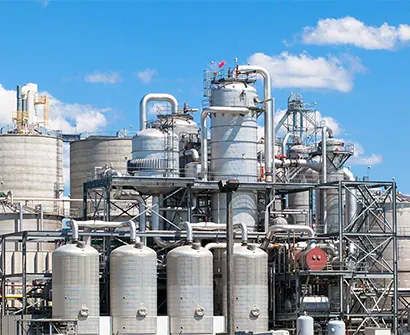
Consistent process performance in refineries depends on mixing and dosing equipment matched to actual operating conditions – corrosion inhibitor dosing in crude distillation units, precise chemical addition in desalter wash systems, agitation in slop oil and wastewater treatment vessels, and water chemistry control across cooling and boiler circuits.

Get any of these wrong, and the consequences show directly in product quality, equipment corrosion rates, and unplanned unit shutdowns.

Whether you operate a crude oil refinery, a hydrocracking unit, or a delayed coking facility – agitators and dosing systems need to match the actual process chemistry, temperature conditions, and fluid characteristics involved. Not a standard off-the-shelf selection.

Applications

Where Premix Equipment Is Used

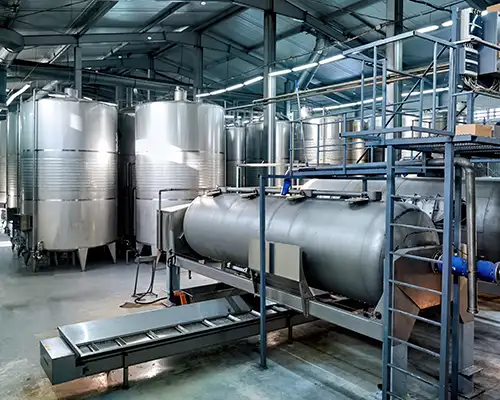
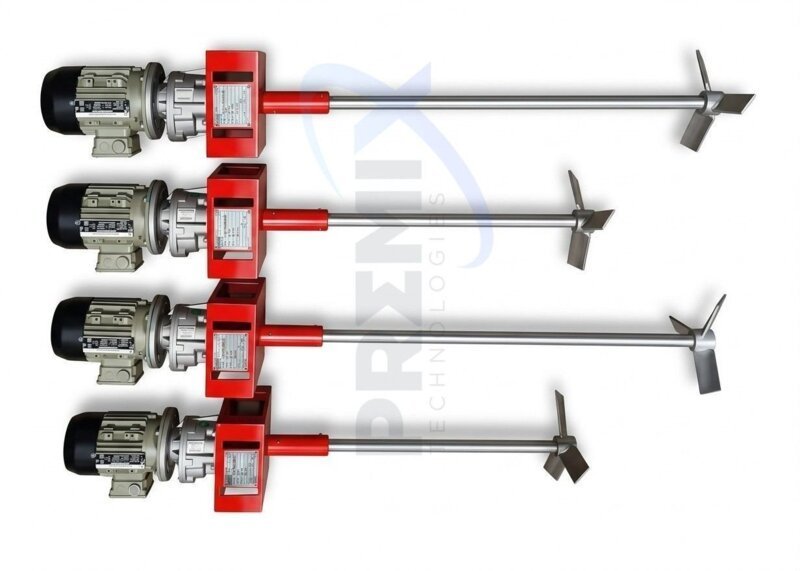
Side entry and long shaft paddle agitators for substrate movement and floating layer control.

Agitators for uniform circulation and stable biological activity.

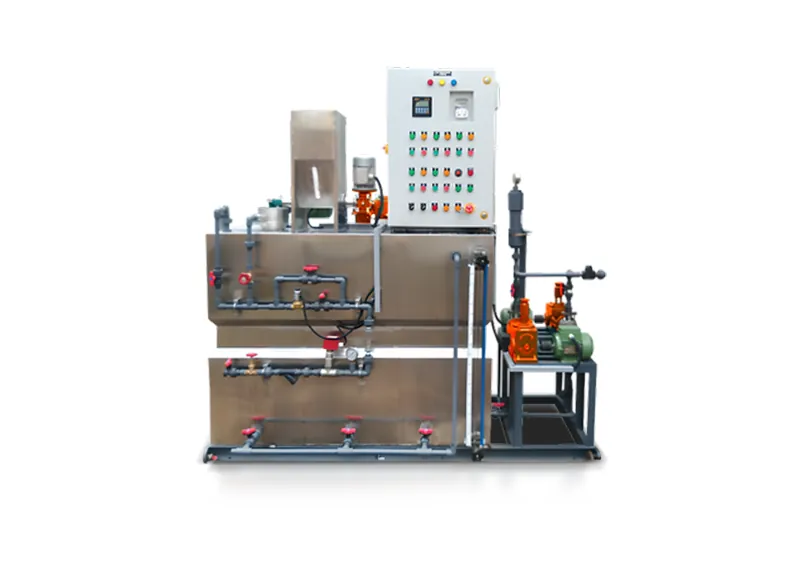
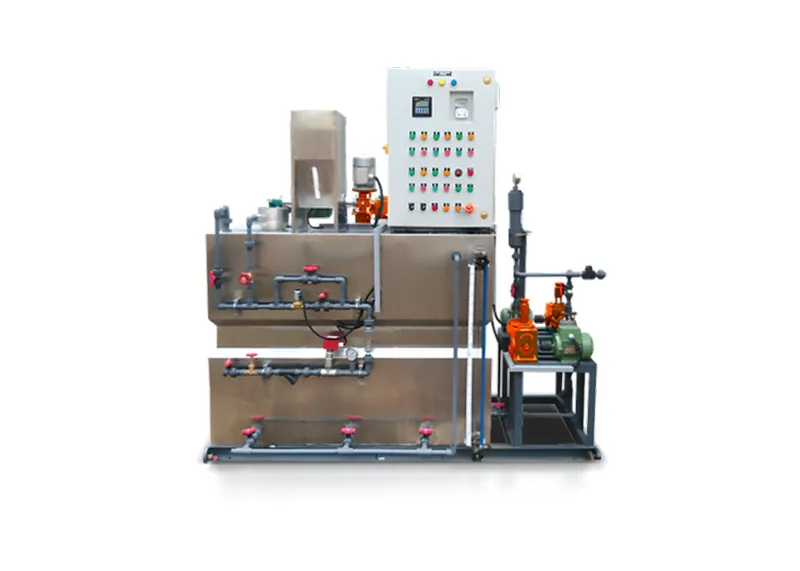
Dosing pumps and systems for pH adjustment, antifoam and treatment chemicals.

Dosing pumps and systems for pH adjustment, antifoam and treatment chemicals.

Dosing pumps and systems for pH adjustment, antifoam and treatment chemicals.

Dosing pumps and systems for pH adjustment, antifoam and treatment chemicals.

Dosing pumps and systems for pH adjustment, antifoam and treatment chemicals.

Dosing pumps and systems for pH adjustment, antifoam and treatment chemicals.

What We Actually Help With

Mixing for Refinery Process Vessels

Desalter wash water agitators that fail to maintain proper crude-water contact reduce salt removal efficiency – leaving chloride contamination that causes overhead corrosion in distillation columns. Slop oil recovery tank agitation without correct impeller placement creates stable emulsions that resist separation and increase hydrocarbon losses. Chemical treatment in effluent systems without proper mixing leaves localised untreated zones that fail discharge compliance.

Applications include:

  • Desalter wash water mixing and crude-water contact vessels
  • Slop oil recovery and tank agitation
  • Caustic wash and sweetening vessel agitation
  • Cooling water chemical treatment mixing
  • Boiler feedwater and condensate dosing tanks
  • Effluent and oily water treatment agitation
  • Chemical storage and preparation tank mixing

Dosing That Controls Refinery Process Chemistry

Corrosion inhibitor and neutralising amine dosing in crude distillation overhead systems must stay within narrow concentration limits – underdosing allows chloride-driven corrosion, overdosing creates salt deposition and fouling. Antifoulant dosing in heat exchanger circuits controls fouling rates directly. Demulsifier dosing in desalters affects crude-water separation efficiency and downstream salt content.

Chemicals commonly dosed include:

  • Neutralising Amines and Filming Amines for overhead corrosion control
  • Corrosion Inhibitors for crude unit and process stream protection
  • Demulsifiers for desalter crude-water separation
  • Antifoulants for heat exchanger and furnace tube protection
  • Oxygen Scavengers and pH Correctors for boiler feedwater circuits
  • Biocides and Antiscalants for Cooling Water Treatment
  • Coagulants and Flocculants for oily water and effluent treatment

Where Refinery Mixing Gets Technical

  • Desalter Wash Water Agitation

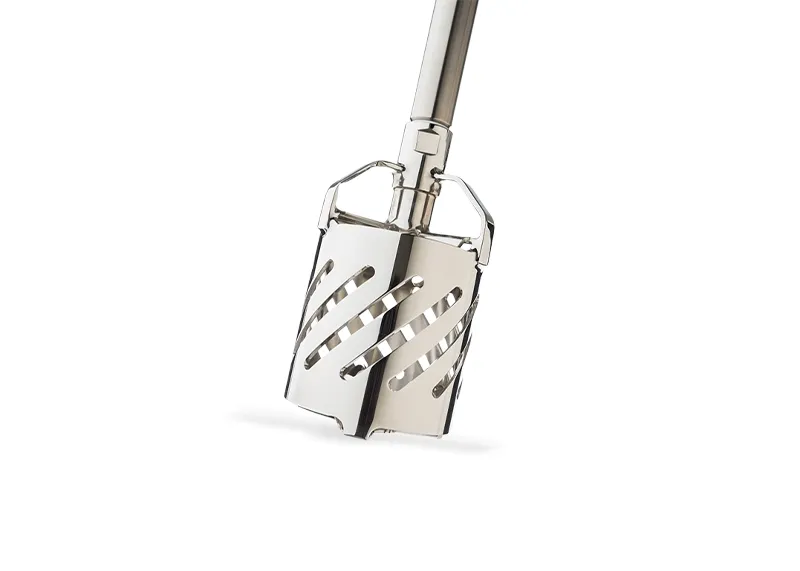
    Salt removal in crude desalters depends entirely on the quality of crude-water mixing upstream. Too little agitation and water droplets do not contact salt-bearing crude effectively. Too much shear and stable emulsions form that the electrostatic grid cannot resolve. Agitator configuration here is not a general mixing problem – it requires specific impeller selection and tip speed control matched to the crude viscosity and water injection rate.

  • Slop Oil and Emulsion Tank Agitation

    Slop oil tanks in refineries contain variable-composition hydrocarbon-water mixtures that behave differently from batch to batch. Agitators sized for one feed composition routinely underperform when slop quality changes. Drive sizing, impeller type, and mounting position all need to account for worst-case viscosity and density – not average operating conditions.

  • Overhead Corrosion Inhibitor Dosing Precision

    Neutralising amine and filming inhibitor dosing in crude distillation overhead circuits operates at low concentrations where small dosing errors create large corrosion rate changes. Pump turndown capability and output stability across varying back-pressure matter more here than headline flow capacity.

Speak With Our Team

Have a refinery desalter agitation project, a crude unit chemical dosing system, or a cooling water treatment requirement? We give straight answers – no catalogue quoting without understanding your process first.

+91 89056 16775 | +91 73831 46106

Related Products

Delivering precision-engineered mixing and dosing solutions across diverse industrial sectors with reliability and performance.

Frequently Asked Questions

Q1. Which refinery applications do you cover?

Desalter mixing, slop oil agitation, overhead corrosion inhibitor dosing, antifoulant addition, cooling water treatment, boiler feedwater dosing, and oily water effluent treatment – across crude distillation, hydrocracking, and delayed coking units.

Yes – configured for elevated temperature service with appropriate seal arrangements, shaft materials, and drive specifications matched to actual process conditions.

Low-flow, high-accuracy dosing systems for neutralising amine and filming inhibitor service – with stable output across varying back-pressure and wetted materials compatible with amine and inhibitor chemistry specifically.

1 Step 1
Contact Form
keyboard_arrow_leftPrevious
Nextkeyboard_arrow_right
FormCraft - WordPress form builder

Get in Touch

Have questions about our products or need a customized solution? Our team is ready to assist you with expert guidance, technical support, and reliable service. Reach out to us today and let’s build efficient solutions together.