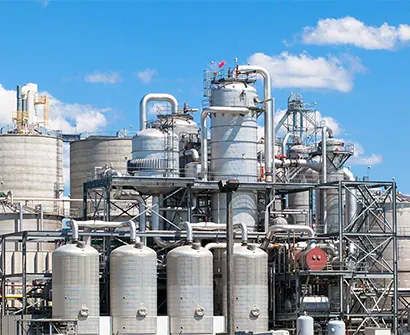
Sugar Industry

Sugar Industry - Agitators, Dosing Pumps & Chemical Dosing Systems

Process performance in sugar industry plants falls apart faster than most engineers expect – and it almost always traces back to mixing or dosing equipment that was selected without understanding what the fluid actually does under process conditions.

Juice clarification, lime defecation, massecuite crystallisation, distillery fermentation, spent wash treatment – each of these has specific mixing and dosing demands that standard equipment selections routinely miss. The losses that follow show up in sugar colour, recovery percentage, and process downtime across an entire crushing season.

Cane sugar mills, sugar refineries, and attached distilleries – the agitators and dosing systems serving each need to be matched to actual juice chemistry, actual viscosity, and actual process conditions. Not what a catalogue says works for similar applications.

Applications

Where Premix Equipment Is Used

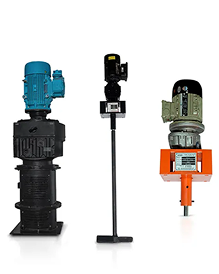
Side entry and long shaft paddle agitators for substrate movement and floating layer control.

Agitators for uniform circulation and stable biological activity.

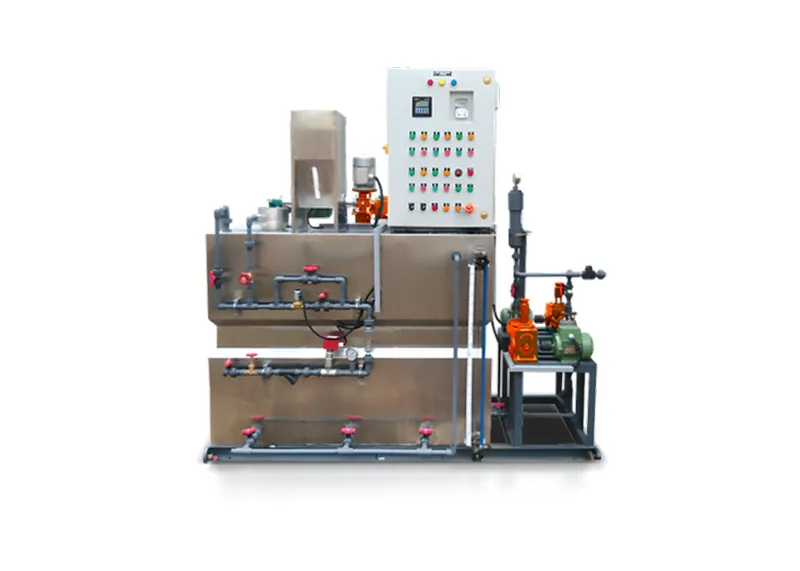
Dosing pumps and systems for pH adjustment, antifoam and treatment chemicals.

Dosing pumps and systems for pH adjustment, antifoam and treatment chemicals.

What We Actually Help With

Mixing for Sugar Industry Process Vessels

Juice clarifiers with poor flocculant distribution do not settle cleanly. Suspended impurities carry through into clear juice, colour builds in downstream stages, and no adjustment at the pan floor fixes what went wrong at clarification. Massecuite crystallisers with inadequate agitation produce uneven crystal size – some grains grow too fast, some barely at all – and recovery suffers for it.

Applications include:

  • Juice clarifier and defecation vessel agitation
  • Liming and sulphitation reaction vessel mixing
  • Massecuite crystalliser and vacuum pan agitation
  • Molasses conditioning and dilution tank mixing
  • Spent wash and distillery effluent agitation
  • Lime milk preparation and storage tank mixing
  • Chemical preparation and flocculant dilution agitation

Dosing That Controls Sugar Industry Process Chemistry

Lime dosing in defecation is unforgiving in both directions. Too little and non-sugar impurities stay in solution. Too much and scaling builds in evaporator tubes within days. Sulphur dioxide dosing in sulphitation controls juice colour and pH at the same time – get the rate wrong and both suffer together.

Chemicals commonly dosed include:

  • Lime Milk and Hydrated Lime for defecation and pH correction
  • Sulphur Dioxide for sulphitation and colour control
  • Phosphoric Acid for phosphatation in refineries
  • Flocculants and Coagulants for clarification and effluent treatment
  • Antifoam Agents for juice heating and evaporation
  • Nutrients and pH Correctors for distillery fermentation
  • Biocides for microbial contamination control in juice and molasses

Where Sugar Industry Mixing Gets Technical

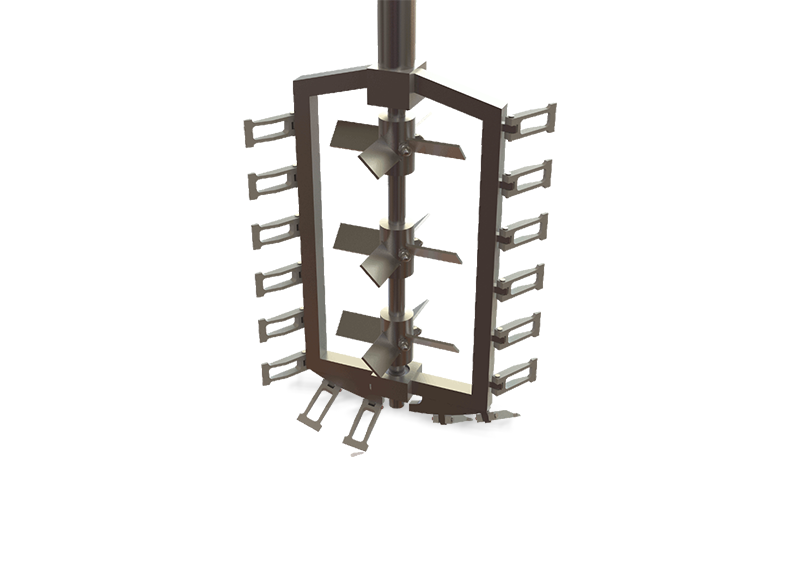
  • Massecuite Agitation

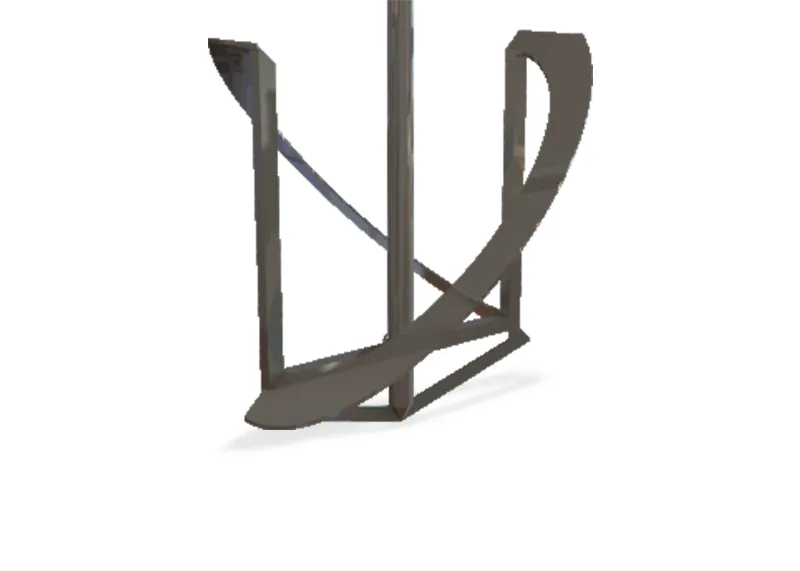
    Massecuite does not behave like any standard process fluid. Viscosity at startup – when the vessel has cooled overnight – is several times higher than running viscosity. Drive sizing based on operating conditions alone means the motor trips every morning before the pan warms up. Beyond that, impeller shear has to be controlled carefully. Too much and crystal faces get damaged. Too little and false grain forms in pockets of stagnant massecuite.

  • Lime Milk Dosing

    Lime milk settles in dosing lines within minutes of flow stopping. Systems without continuous recirculation block progressively calibrated output drifts, pH control at the defecation vessel wanders, and the problem only becomes visible when juice quality drops. Pump selection here needs to handle abrasive slurry service without wear, changing the output rate over a four-month crushing season.

  • Spent Wash Treatment Agitation

    Spent wash from molasses distilleries is a genuinely difficult fluid – high BOD, variable solids, corrosive, and nothing like the process water that agitator sizing tables are built around. Seal arrangements, shaft materials, and impeller coatings all need to be selected for this specific service. Standard stainless construction is not enough.

Speak With Our Team

Have a sugar industry massecuite agitation project, a juice clarification dosing system, or a distillery effluent treatment requirement? We give straight answers – no catalogue quoting without understanding your process first.

+91 89056 16775 | +91 73831 46106

Related Products

Delivering precision-engineered mixing and dosing solutions across diverse industrial sectors with reliability and performance.

Frequently Asked Questions

Q1. Which sugar industry applications do you cover?

Juice clarification, liming and sulphitation mixing, massecuite crystalliser agitation, molasses conditioning, distillery fermentation dosing, spent wash treatment, and effluent agitation – across cane sugar mills, refineries, and attached distilleries.

Yes – drive sizing is based on startup torque at maximum viscosity, not running conditions. Impeller geometry is selected specifically for crystal suspension without damaging grain faces.

Recirculating lime milk systems with abrasion-resistant wetted parts and anti-settlement line design – calibrated output stays stable across the full crushing season without progressive wear affecting dose rates.

1 Step 1
Contact Form
keyboard_arrow_leftPrevious
Nextkeyboard_arrow_right
FormCraft - WordPress form builder

Get in Touch

Have questions about our products or need a customized solution? Our team is ready to assist you with expert guidance, technical support, and reliable service. Reach out to us today and let’s build efficient solutions together.