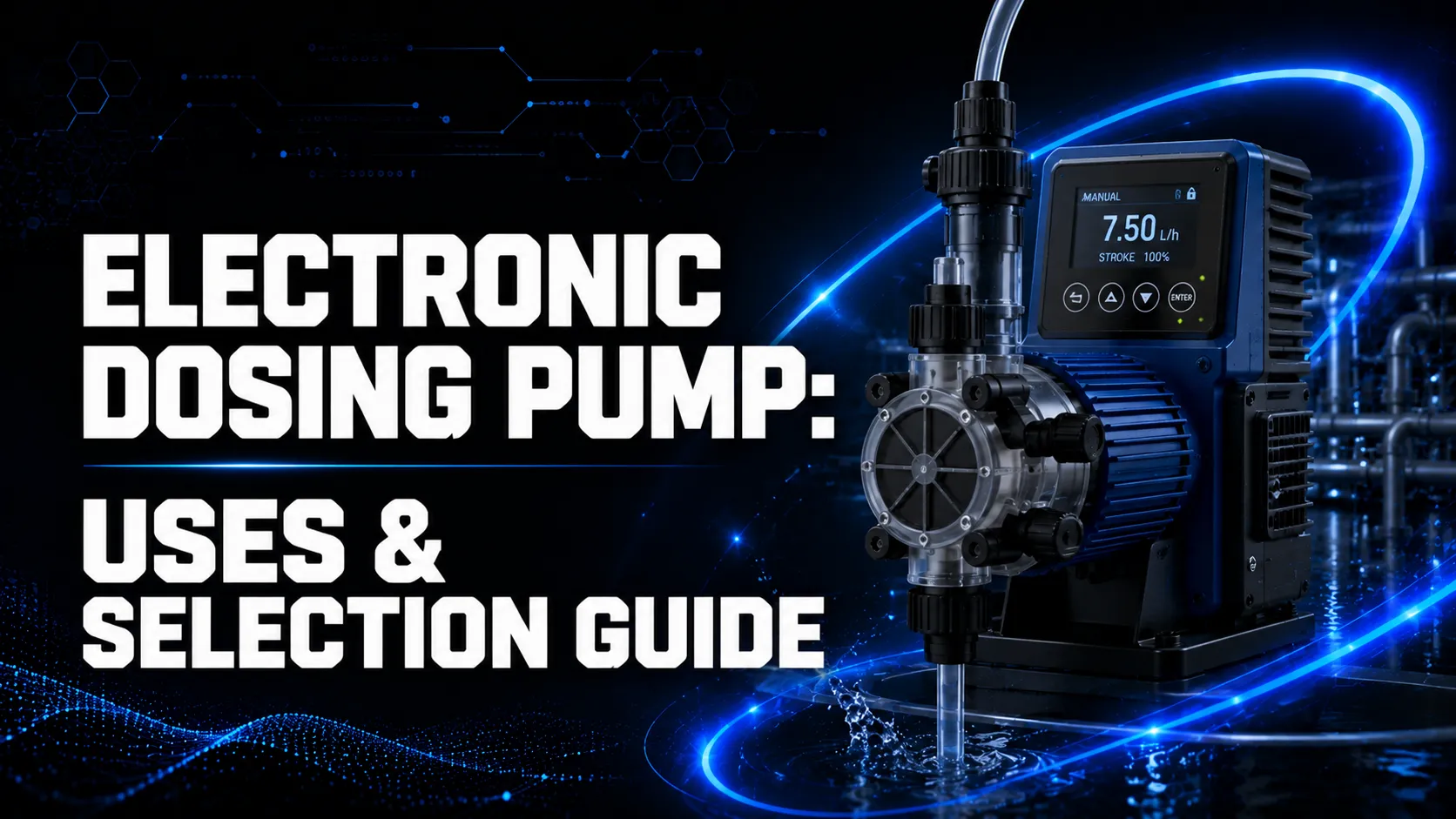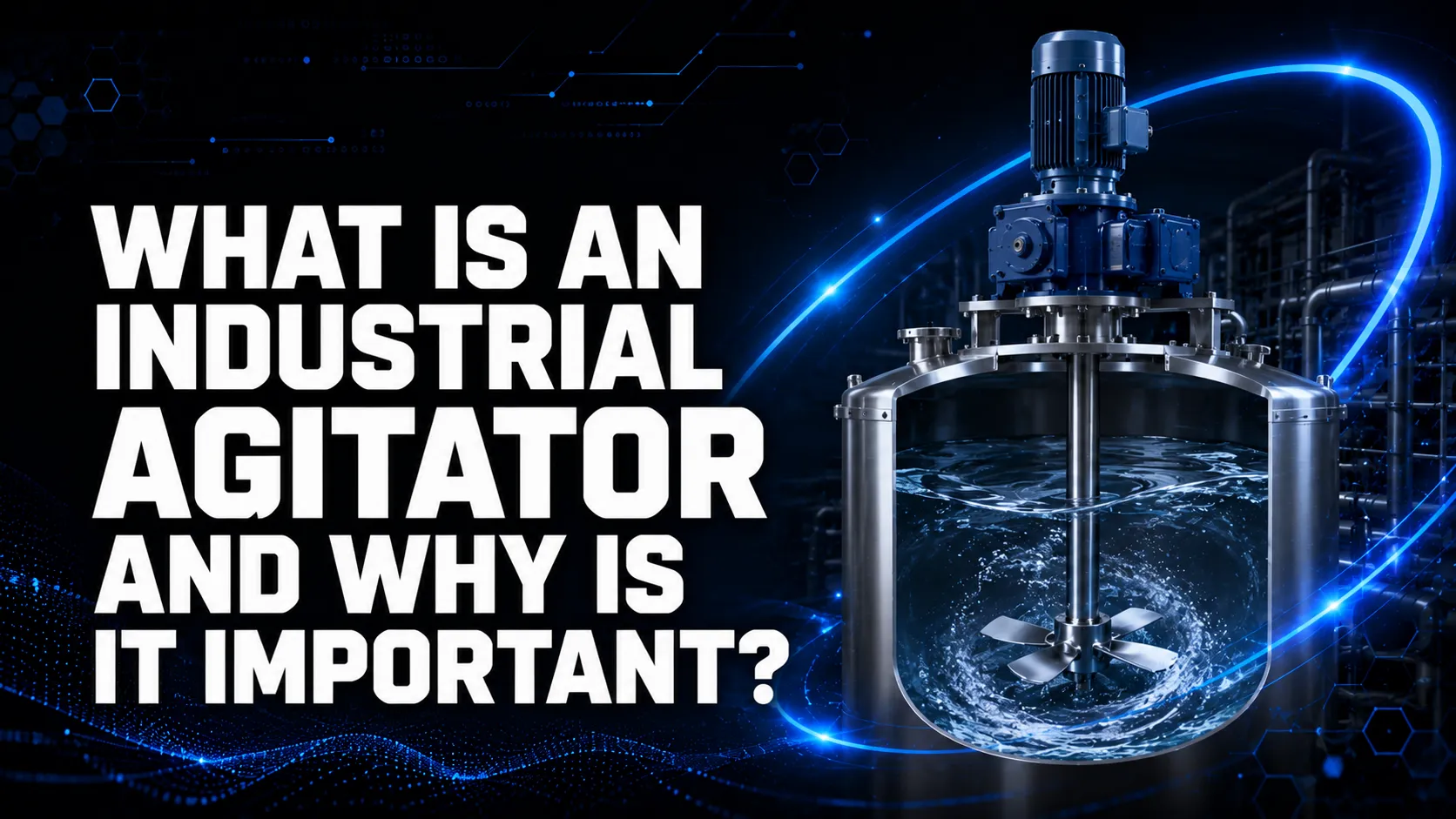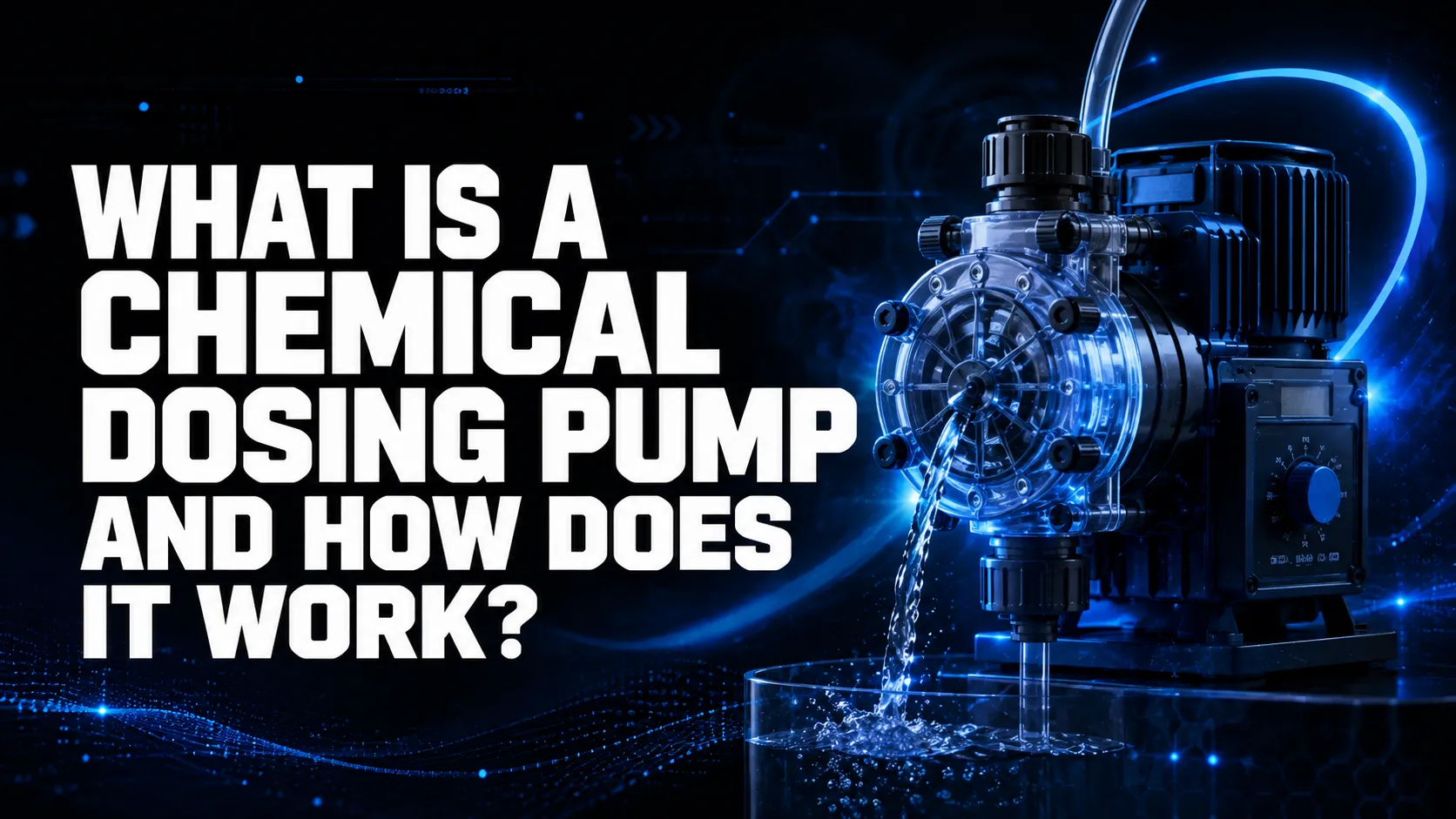
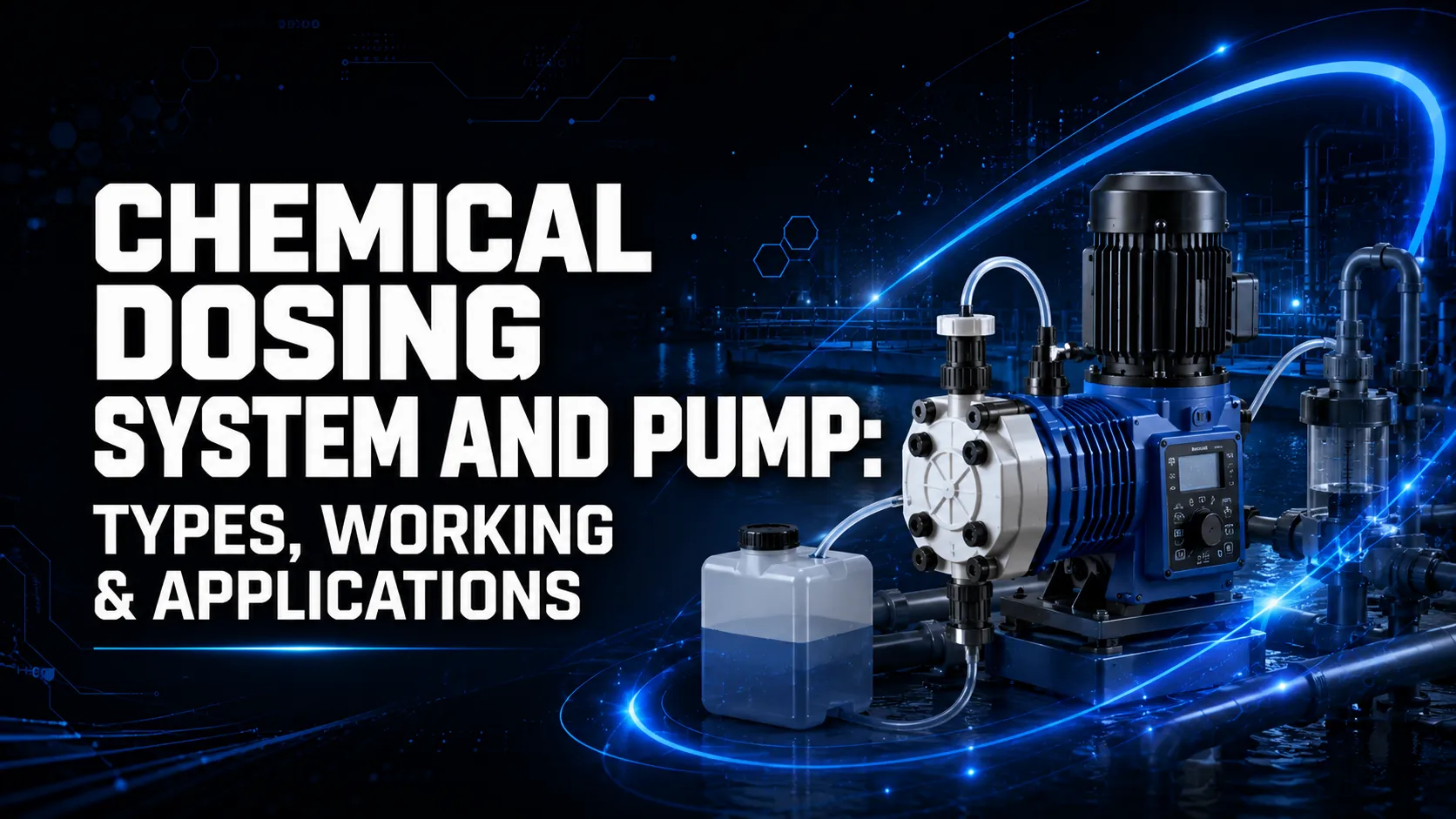
A chemical dosing system adds a measured amount of chemical into a liquid stream, at a rate that stays fixed no matter what. Water treatment lines, boilers, industrial pipelines – all of them depend on this kind of control, because even a small swing in chemical concentration can damage equipment or ruin water quality. Most setups include a dosing pump, a storage tank, and a control panel. Together, these three pieces are what actually keep a chemical dosing system running accurately, day after day.
Plants all over India rely on this equipment. Drinking water treatment, cooling towers, effluent treatment, boiler feed lines – a chemical dosing system shows up in nearly every one of these processes. This article covers how a chemical dosing system works, the types you’ll come across, and how to pick a dosing system manufacturer that won’t let you down.
What Is a Chemical Dosing System?
At its core, a chemical dosing system is equipment that adds a fixed quantity of chemical into water or another liquid, and keeps doing so consistently even when flow conditions shift slightly.
Three parts usually make this happen:
- A dosing pump, which moves the chemical into the process line
- A storage tank, which holds the prepared solution
- A control panel, which sets the rate and keeps track of performance
Without a chemical dosing system in place, dosing turns inconsistent fast. Operators end up adding too much chemical one day, wasting money, or too little the next, letting water quality drop. A good dosing system manufacturer won’t hand you a one-size-fits-all pump either. They design each unit around your site’s actual flow rate, pressure, and chemical type.
How Does a Chemical Dosing System Work?
A chemical dosing system pulls chemical out of a storage tank and pushes it into a pipeline, using a pump set to a specific rate. Sensors watch flow, pressure, or concentration in real time, and the pump output adjusts whenever something changes.
The process, broken down step by step:
- Chemical solution gets mixed and stored in a tank
- A suction line pulls this solution toward the dosing pump
- Stroke length or motor speed on the pump decides how much gets dosed
- Chemical enters the main line at the calculated point
- Sensors read the output, then send that data back to the control panel
That feedback loop is what separates automated dosing from someone standing there pouring chemical in by hand. A chemical dosing system takes the guesswork out entirely. It’s a big part of why manual dosing has fallen out of favor across most industries over the last several years.
What Are the Types of Chemical Dosing Systems?
Types of a chemical dosing system are typically grouped by pump technology, since the pump is what decides which chemicals and flow rates the system can actually handle.
| Dosing Pump Type | Best Suited For | Key Feature |
| Diaphragm Dosing Pump | Corrosive and toxic chemicals | Leak-proof design |
| Peristaltic Dosing Pump | Viscous and abrasive fluids | Easy tube replacement |
| Plunger Dosing Pump | High-pressure applications | High accuracy dosing |
| Solenoid Dosing Pump | Small to medium flow needs | Low maintenance |
Corrosive chemicals? A chemical dosing system built around a diaphragm pump tends to hold up far better over time. Boiler feed lines run at high pressure, so those usually need a chemical dosing system fitted with a plunger pump instead. Getting this pairing right, ideally with advice from an experienced dosing system manufacturer, saves a plant from repeat breakdowns and wasted chemical down the line.
Which Industries Use a Chemical Dosing System?
Water treatment, power generation, food processing, pharmaceuticals – a chemical dosing system turns up wherever a process needs chemical added under tight control.
A few places you’ll find one:
- Drinking water and wastewater treatment plants
- Cooling tower water treatment for corrosion and scale control
- Boiler feed water treatment in power and steel plants
- Swimming pool chlorination and pH correction
- Effluent treatment plants handling industrial discharge
Reverse osmosis plants need a chemical dosing system too, mainly for antiscalant dosing that keeps RO membranes from scaling over. Across Rajasthan and several other states, industrial units use a chemical dosing system to stay within pollution control board limits for treated water discharge.
What Should You Check Before Choosing a Dosing System Manufacturer?
Before you settle on a dosing system manufacturer, look past the price tag first. Track record, pump range, and post-installation service matter far more in the long run.
Worth checking before you sign anything:
- How many years the company has spent building industrial dosing equipment
- Whether they stock multiple pump types for different chemicals
- Spare parts availability and how fast local service responds
- Compliance with relevant safety and quality standards
- Willingness to customize designs around your flow and pressure needs
A dosing system manufacturer worth your time will also weigh in on tank material and control panel features, not just drop off a pump and disappear. That kind of guidance tends to cut maintenance costs and stretch out the working life of a chemical dosing system by quite a lot.
Why Choose Reliable Chemical Dosing System Manufacturers?
Reliable chemical dosing system manufacturers build equipment that performs on the plant floor the same way it does on paper, which isn’t something you can count on with every cheap alternative out there.
What tends to set the better chemical dosing system manufacturers apart:
- Tested and certified dosing pumps
- Proper documentation and calibration certificates
- Support during site installation and commissioning
- Operator training once the handover is done
- Warranty coverage and ongoing maintenance contracts
If you’re comparing chemical dosing system manufacturers, Premix is worth a look. They build a range of industrial dosing systems focused on accuracy and long-term durability. Starting with an established supplier usually means the chemical dosing system you end up with actually matches the project’s real needs, not a stripped-down version of them.
What Are the Benefits of Installing a Chemical Dosing System?
Installing a chemical dosing system cuts chemical costs, holds water quality steady, and takes manual labor out of the picture almost entirely. Set it up right, and there’s barely any day-to-day guesswork left for operators.
Benefits plants tend to notice fairly quickly:
- Accurate chemical usage with far less wastage
- Consistent water or process quality across every shift
- Lower risk of corrosion and scale buildup in equipment
- Less dependency on manual monitoring
- Simple tracking through digital control panels
A well-maintained chemical dosing system also keeps compliance risk low, since treated water and effluent stay within the limits regulators set. Give it a couple of years, and the equipment often pays for itself in chemical savings alone, before you even factor in less plant downtime.
FAQs
It injects a controlled amount of chemical into a liquid stream to maintain water or process quality.
Diaphragm pumps handle corrosive chemicals well, while peristaltic pumps suit viscous or abrasive fluids.
Check their years of experience, pump range, spare parts support, and service response before deciding.
Usually not directly; plants install separate dosing units per chemical to avoid cross-contamination.
Yes, a chemical dosing system dosing automatically stays more accurate and wastes far less chemical than manual methods.