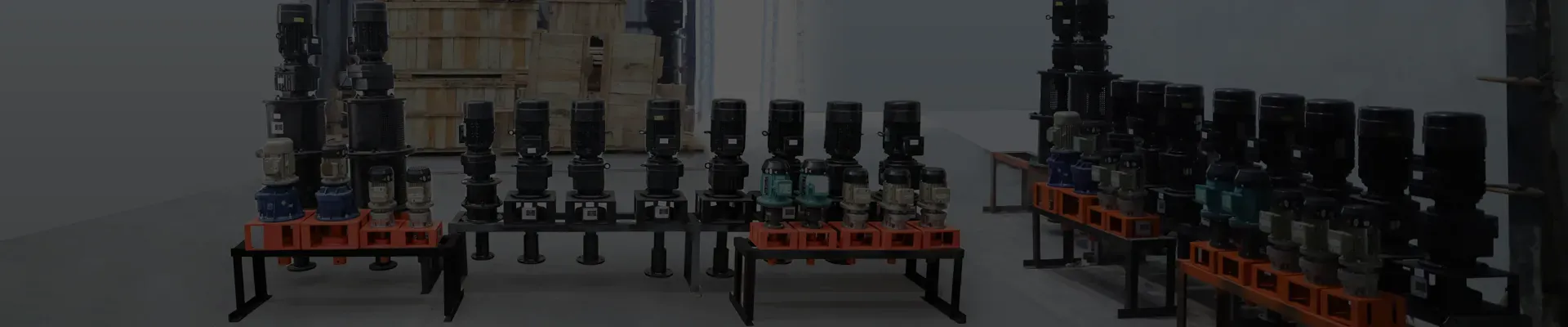
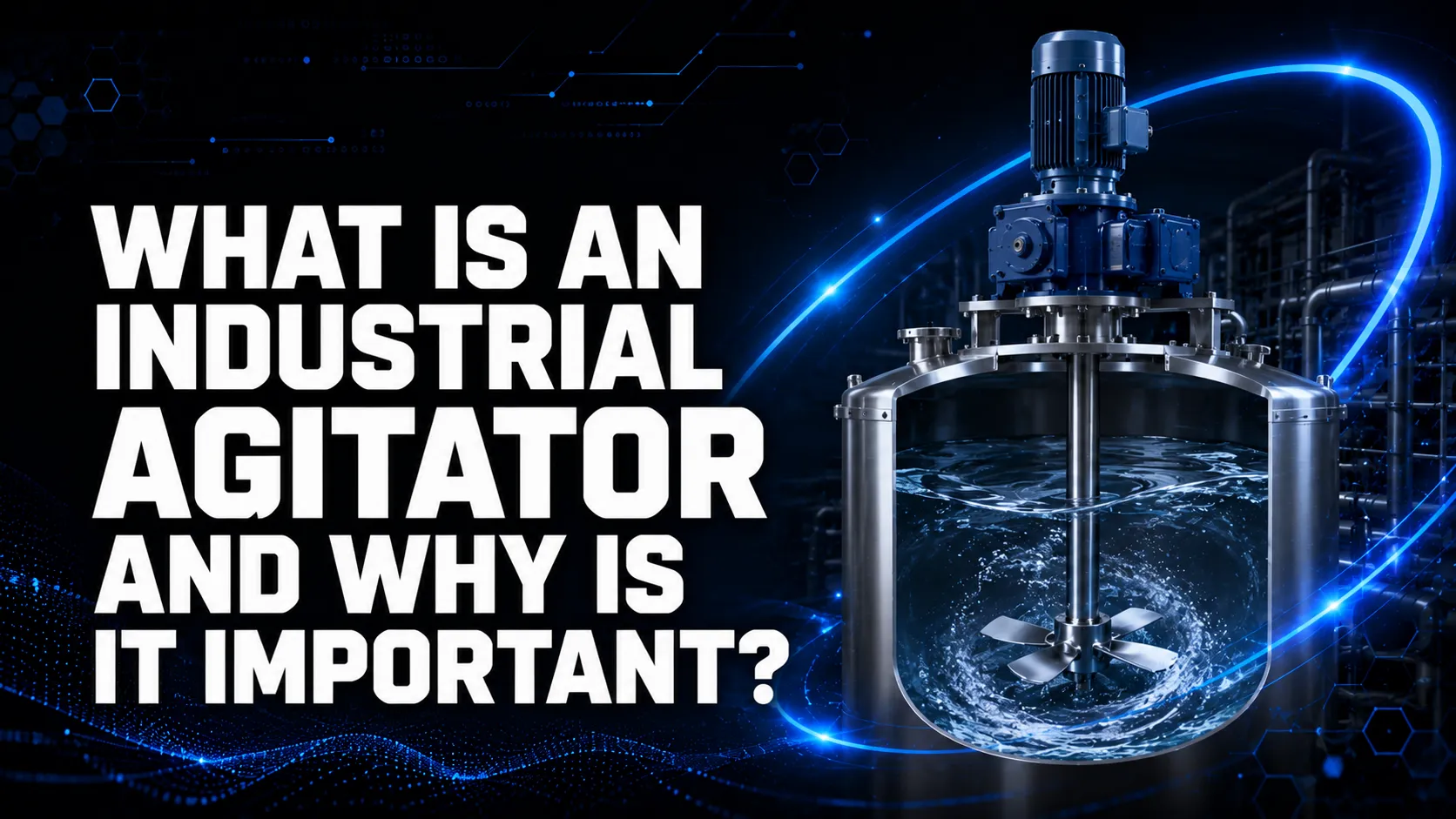
An industrial agitator is a mechanical device that mixes, blends, or stirs liquids, powders, and slurries inside a tank. It keeps everything moving so the mixture stays uniform from top to bottom. Chemical plants, food units, and water treatment facilities all lean on an industrial agitator to keep production steady, day after day.
Skip proper mixing, and things go wrong fast. Ingredients settle at the bottom. Temperature varies across the tank. Product quality slips without anyone noticing until a batch fails inspection. An industrial agitator prevents all of this through rotating blades or impellers that keep the tank in constant motion.
What Is an Industrial Agitator Used For?
It mixes substances evenly, stops settling, and keeps temperature and concentration consistent across a process. The exact job changes a bit from industry to industry, but the underlying purpose barely shifts.
A few common uses:
- Blending chemicals during manufacturing
- Mixing wastewater with treatment chemicals before it gets discharged
- Keeping food and beverage batches consistent
- Stirring paints and coatings to the right texture
- Homogenising pharmaceutical solutions during production runs
Most industries working with liquids or semi-liquids need an industrial agitator somewhere in their process, whether they think about it or not.
How Does an Industrial Agitator Work?
An impeller spins inside a tank, pushing fluid in a set pattern and keeping the whole mixture in motion. That is the short version. A motor sits above the tank, connected through a shaft that runs down into the liquid.
Breaking it down:
- The motor drives the shaft at whatever speed the process needs
- An impeller or blade sits at the bottom of that shaft
- As it spins, the impeller pushes liquid outward or downward
- That motion spreads through the tank and keeps solids from settling
Blade design and speed both shift depending on what is being mixed. A thick slurry does not behave the way a thin chemical solution does, so the setup has to match.
Why Is an Industrial Agitator Important for Manufacturing?
Because it shapes product quality, consistency, and how long processing takes. A batch that comes out uneven means wasted raw material, and reworking a bad batch costs real money.
What good agitation actually delivers:
- Product quality that stays the same batch after batch
- Faster reaction times where chemicals are involved
- Less settling of solids, which saves equipment from wear
- Lower energy consumption once the agitator size is matched to the tank properly
Plants that cut corners here usually pay for it later, either through inconsistent output or through equipment that keeps breaking down.
What Are the Different Types of Industrial Agitators?
Several types exist, and each one is designed for a different kind of mixing job. Pick the wrong one, and you either get poor mixing or you waste energy running something oversized.
| Agitator Type | Best Suited For | Key Feature |
| Paddle Agitator | Low viscosity liquids | Simple, low-cost design |
| Turbine Agitator | Medium to high viscosity fluids | Strong shear force |
| Propeller Agitator | Large volume, low viscosity tanks | High flow rate |
| Anchor Agitator | Thick, viscous slurries | Scrapes tank walls clean |
The right type of agitator for a plant depends almost entirely on what is going into the tank and how thick it is.
How Do You Choose the Right Industrial Agitator?
Fluid viscosity comes first, then tank size, then the actual mixing goal, whether that is blending, dispersion, or suspension. Get this wrong, and there is a good chance the unit needs replacing within a year.
Worth checking before you buy:
- Confirm the viscosity range the unit can actually handle, not just what the brochure claims
- Match motor power to tank volume rather than tank height alone
- Check shaft and impeller material against the chemicals it will meet
- Look for a unit that allows speed adjustment across different batches
Get the match right, and downtime drops. Maintenance costs stop being a surprise every few months too.
Where Can You Buy a Reliable Industrial Agitator?
Buy from a manufacturer offering tested, certified equipment, not from an unverified local supplier working off guesswork. Premix.isweb.in supplies industrial agitators built for chemical, water treatment, and manufacturing use across India.
A few things to check before finalising anything:
- Ask what the warranty actually covers, not just its duration
- Request material certification for the unit you are considering
- Confirm spare parts are easy to source later
- Compare specifications across at least two or three suppliers
Work with someone reliable, and the agitator keeps running for years without pulling your production line to a halt every other month.
FAQs
It mixes liquids or slurries evenly inside a tank to keep product quality consistent.
An anchor agitator, since it scrapes the tank walls while mixing thick material.
Every three to six months is a reasonable interval to avoid sudden failures.
Yes, as long as the shaft and impeller use corrosion-resistant material such as stainless steel.
Yes, compact models exist specifically for small and mid-sized manufacturing setups.