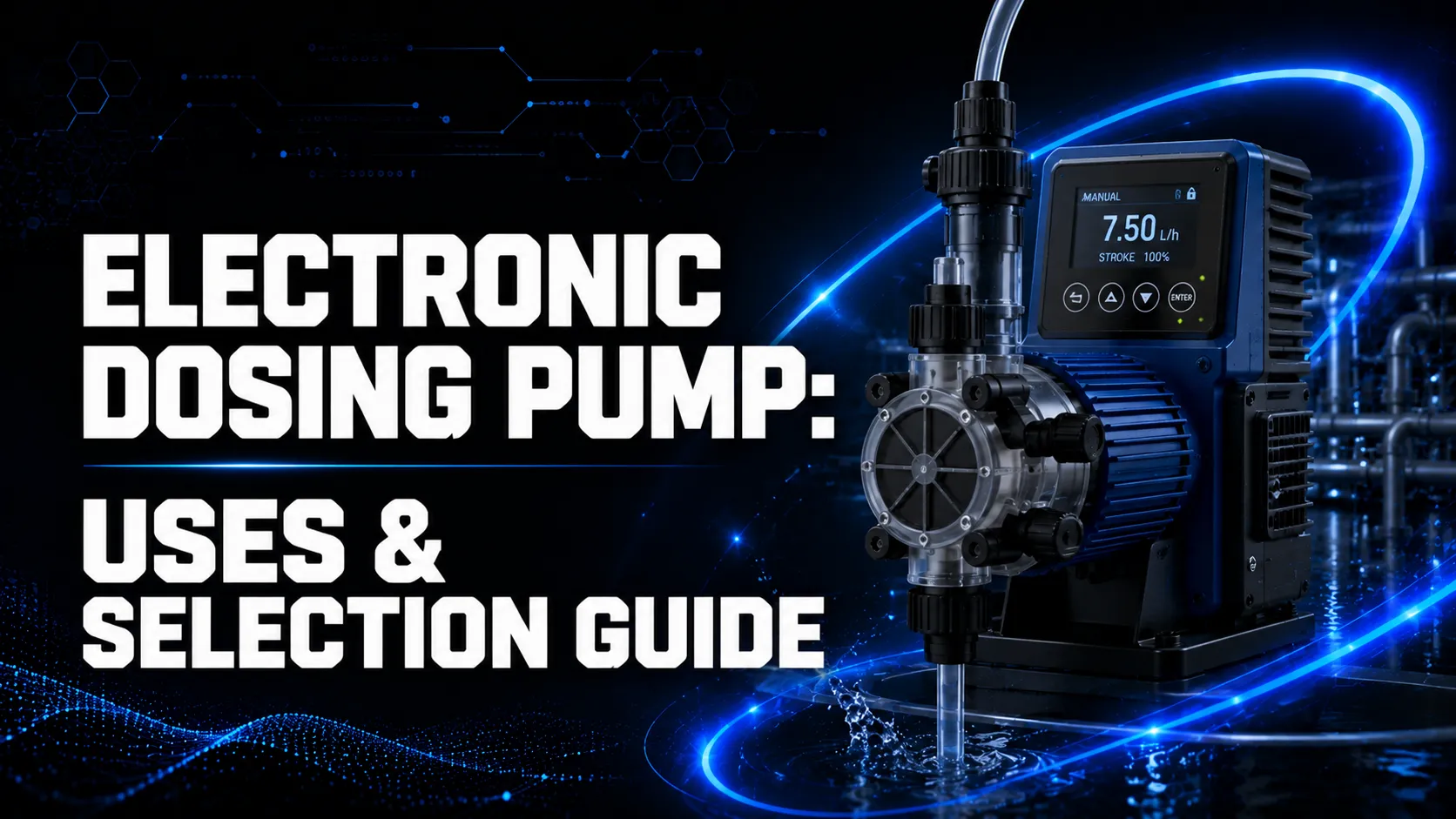
An electronic dosing pump delivers a precise, adjustable amount of chemical into a liquid line, using digital controls instead of manual settings. Plants pick this equipment for one simple reason: it removes guesswork from dosing, and a small dosing error can throw off an entire water treatment process. Most units run on a microprocessor, so operators just key in the flow rate they need and adjust it within seconds.
Water treatment plants, cooling towers, swimming pools, boilers – an electronic dosing pump shows up across all of them. This guide covers where an electronic dosing pump gets used, how to pick the right one, and what separates a good unit from a mediocre one.
What Is an Electronic Dosing Pump?
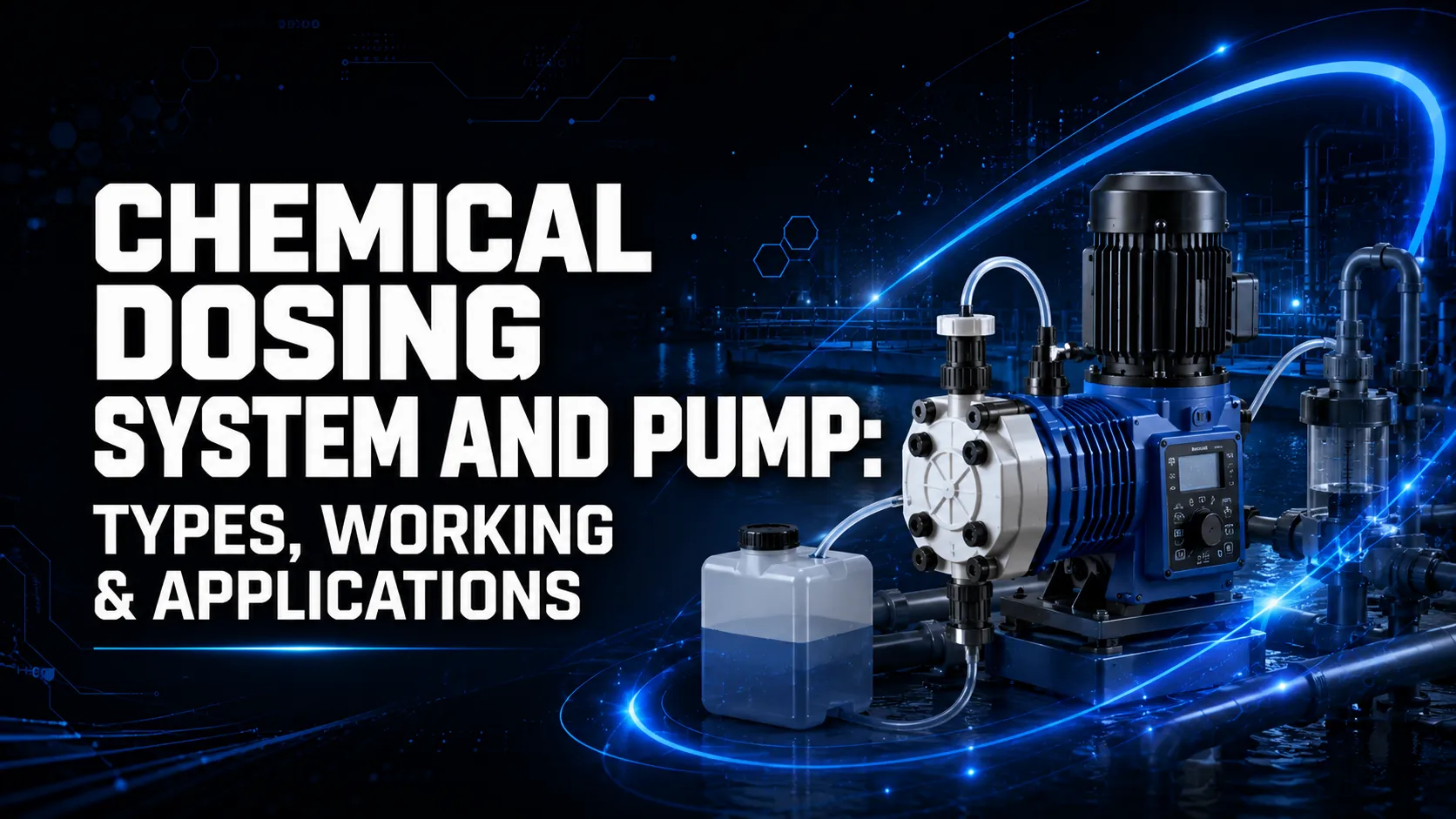
An electronic dosing pump is a chemical metering device controlled through digital settings rather than manual dials or fixed strokes. Type in the exact dosing rate you need, and the pump holds it steady on its own.
A few things define this equipment:
- Digital display for setting and checking the dose rate
- Built-in microprocessor to keep output consistent
- Sensors that respond to changes in flow or pressure
Manual pumps need constant checking, someone walking over every hour to verify the setting hasn’t drifted. An electronic dosing pump skips that entirely. Configure it once, and it keeps running at the set rate on its own. That’s really the whole reason plants have shifted toward this equipment over the last few years.
How Does an Electronic Dosing Pump Work?
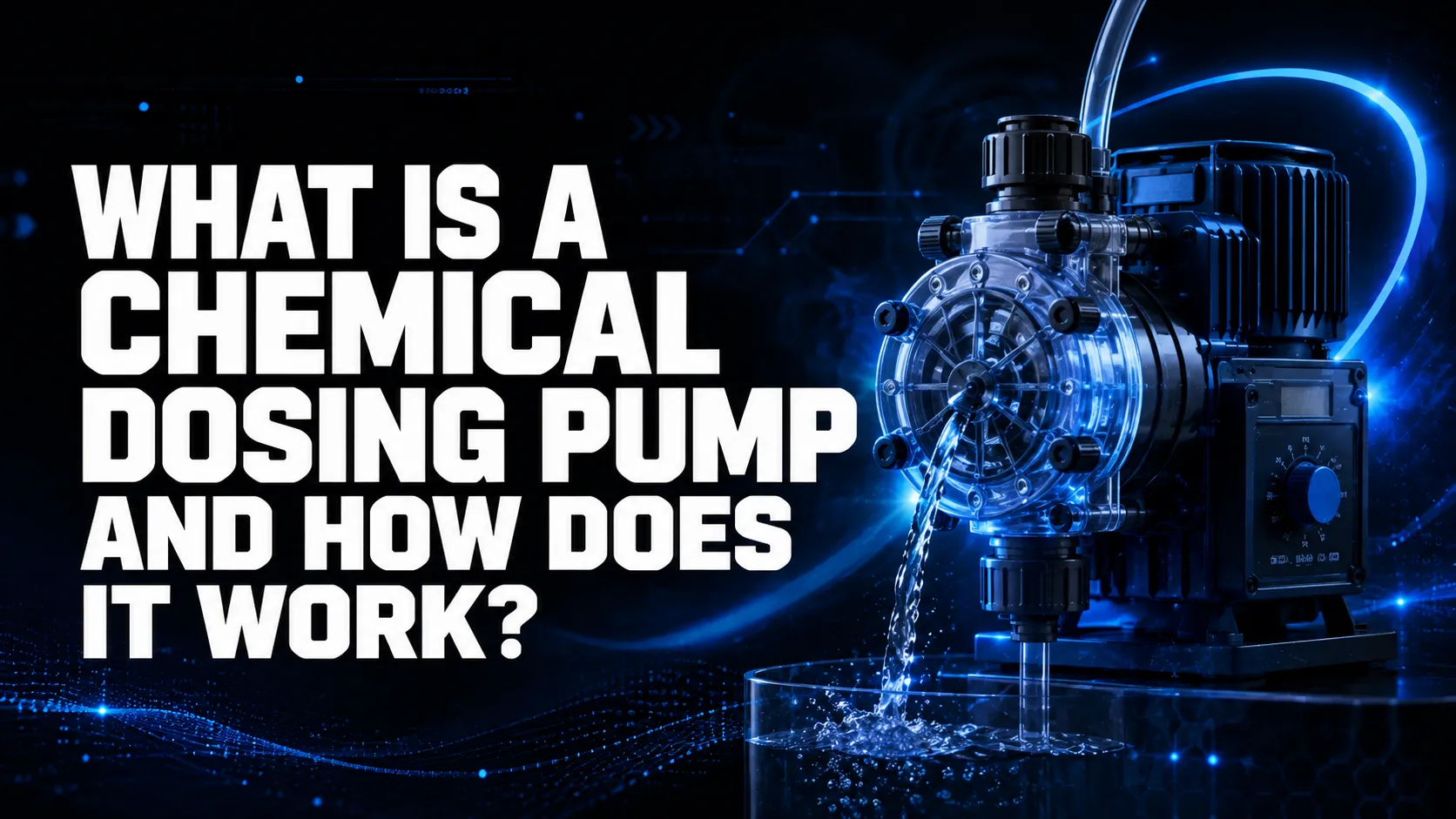
An electronic dosing pump works through a microprocessor that controls stroke rate or motor speed based on whatever dosing rate the operator enters. Small fluctuations elsewhere in the system don’t throw off the chemical output.
Roughly what happens inside, step by step:
- Operator keys in the required dose rate on the digital panel
- Microprocessor works out the stroke frequency it needs
- Pump draws chemical up from the storage tank
- Chemical gets pushed into the process line at that set rate
- Sensors keep watch on output and report back to the controller
Some models go a step further than this. Flow-proportional dosing lets an electronic dosing pump adjust output automatically as flow changes, with no one touching a dial at any point. Older pump types simply can’t respond that fast.
Where Is an Electronic Dosing Pump Used?
An electronic dosing pump gets used anywhere a process depends on precise, repeatable chemical dosing, from municipal water plants down to small commercial setups.
You’ll typically find one running in:
- Drinking water treatment, for chlorine and coagulant dosing
- Swimming pools, handling chlorination and pH balancing
- Cooling towers, dosing corrosion inhibitors
- Boiler feedwater treatment inside industrial plants
- Effluent treatment plants, correcting pH before discharge
Reverse osmosis systems lean on an electronic dosing pump as well, mostly for antiscalant dosing that keeps membranes from scaling over. Plants across Rajasthan and other industrial belts use an electronic dosing pump to stay within pollution control limits without someone checking dosage by hand all day.
What Types of Electronic Dosing Pumps Are Available?
Types of electronic dosing pumps are usually sorted by drive mechanism, and that mechanism decides accuracy, chemical compatibility, and price.
| Pump Type | Best For | Key Advantage |
| Solenoid Electronic Dosing Pump | Low to medium flow, common chemicals | Compact and affordable |
| Motor-Driven Electronic Dosing Pump | Continuous, high-volume dosing | Smooth, steady output |
| Digital Diaphragm Pump | Corrosive or hazardous chemicals | Leak-proof and precise |
Budget matters here, but so does the chemical you’re dosing. A solenoid electronic dosing pump does fine for something simple, like pool chlorination. Corrosive chemicals need something tougher, though, and a digital diaphragm-based electronic dosing pump generally holds up longer without failing early.
How Do You Choose the Right Electronic Dosing Pump?
Choosing the right electronic dosing pump means matching flow rate, chemical type, and pressure needs to the pump’s actual specifications, rather than grabbing whatever costs the least.
Check these before buying anything:
- Required dosing rate, measured in litres per hour
- Chemical compatibility with the pump’s wetted parts
- Maximum discharge pressure your application demands
- Spare parts availability and local service turnaround
- Digital extras, like flow-proportional dosing or remote monitoring
An undersized electronic dosing pump struggles constantly. An oversized one just wastes money from day one. Getting the balance right usually means a conversation with a manufacturer who actually understands industrial dosing, not a guess based on a spec sheet. Premix carries a solid range of electronic dosing pump options built with exactly this kind of accuracy in mind.
Why Does an Electronic Dosing Pump Outperform Manual Pumps?
An electronic dosing pump outperforms manual pumps mainly because dosing stays steady on its own, no constant human adjustment needed, and that alone cuts both waste and labor costs.
A few advantages that stand out once you use one for a while:
- Consistent dosing accuracy across long operating hours
- Lower chemical wastage than manual dosing allows
- Digital monitoring that catches problems early
- Far less dependency on manual checks
- Smooth integration with automated plant systems
Compliance risk drops too, once dosing stays reliably within the range regulators expect. Give it a year, maybe two, and most plants recover the higher upfront cost through chemical savings alone, before counting fewer manual interventions at all.
FAQs
It uses digital controls to hold a set dosing rate automatically, without manual adjustment.
A digital diaphragm-based electronic dosing pump handles corrosive chemicals better due to its leak-proof design.
Match the required dosing rate, chemical compatibility, and discharge pressure to the pump's rated specifications.
Yes, once configured, it maintains the set dose rate on its own, with sensors flagging any irregularities.
Yes, chemical savings and reduced labor usually offset the higher upfront price within a year or two.