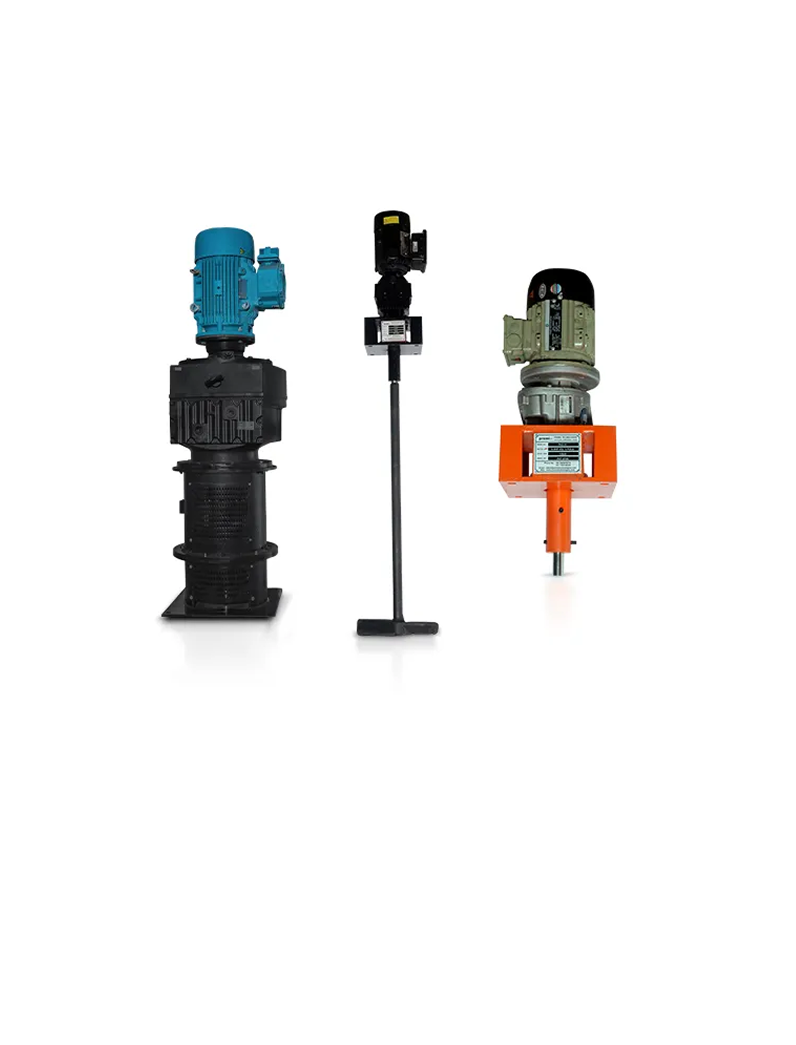
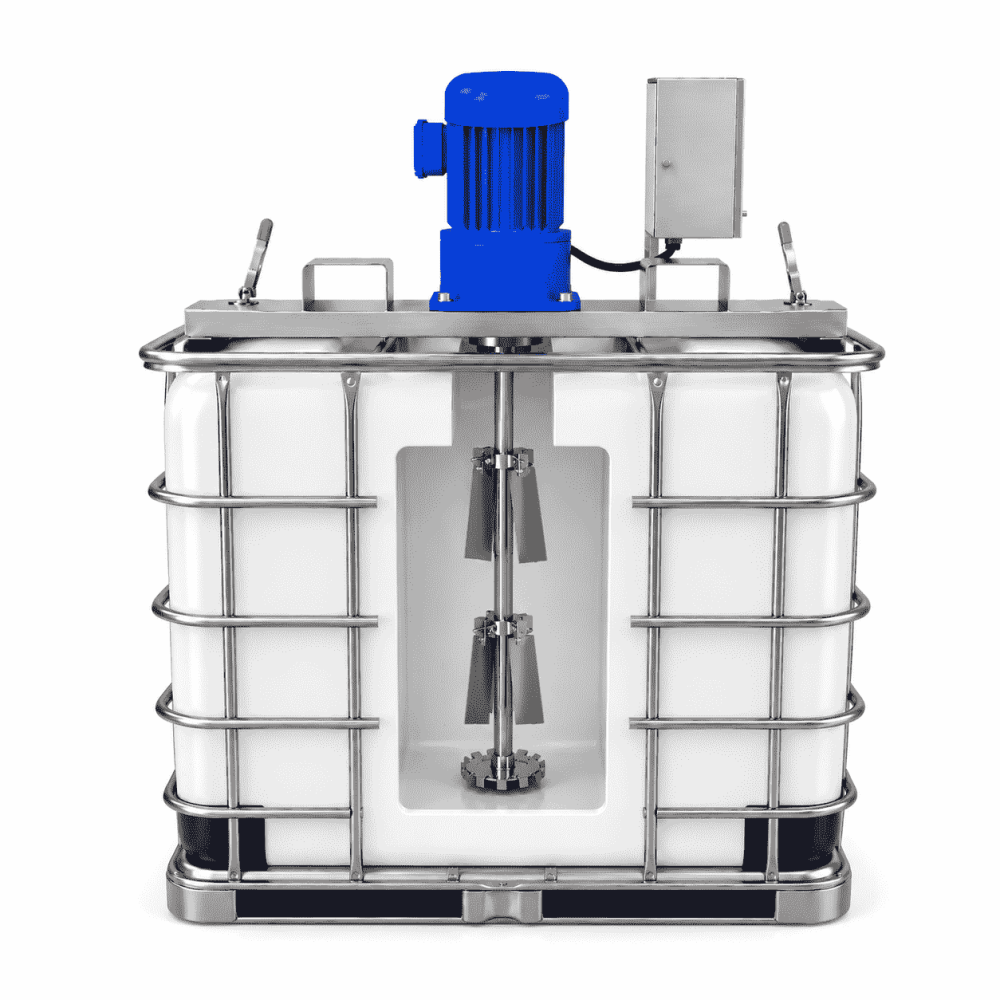
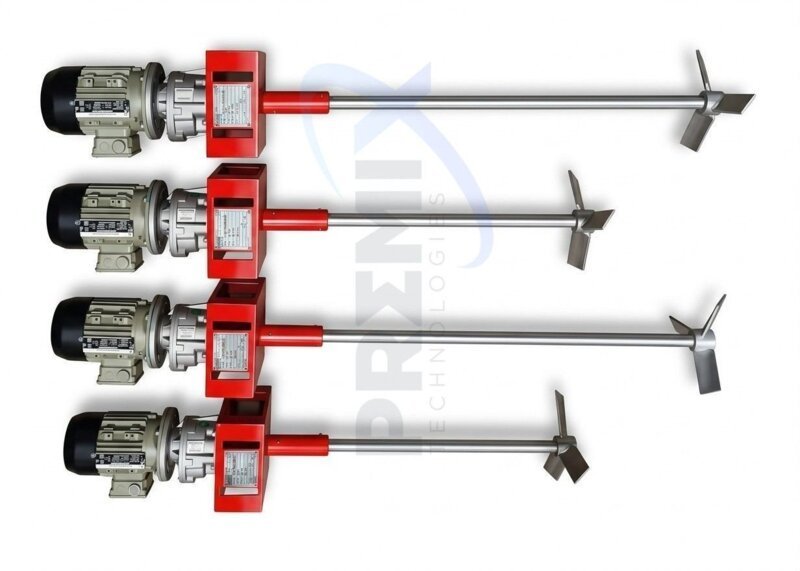
Limestone slurry doesn’t stay in suspension on its own inside an absorber tank, and once it settles, the whole scrubbing process starts to lose efficiency. Solids drop toward the base, the slurry loses its reactivity, and SO2 removal rates slip long before anyone notices at the stack. Premix Technologies, based in Ahmedabad, Gujarat, has been engineering Flue Gas Desulfurization (FGD) Agitators to keep that from happening across thermal power plants and industrial flue gas treatment systems. Every unit drives a heavy-duty impeller through the absorber, mix, or gypsum tank, keeping limestone and gypsum slurry evenly suspended from the surface down to the base. A properly built FGD Agitator keeps the slurry reactive and consistent through continuous plant operation, and power plants that need a unit sized around actual tank geometry and slurry density, rather than a catalog part forced to fit, usually end up working with Premix Technologies, one of the established Flue Gas Desulfurization Agitators Exporters serving the power sector.
| Aspect | Typical Capability / Range | Value Proposition for Reactor Applications |
|---|---|---|
| Motor Drive Power | From 2.2 kW to over 1000 kW | Provides the precise power required for intense mixing, high-viscosity processing, and effective mass/heat transfer in reactors of all scales and chemistries. |
| Reactor Volume Adaptation | Suitable for reactors from 1 m³ to over 500 m³ | Designed for optimal mixing performance across a wide range of reactor sizes, ensuring consistent conditions and efficient reactions from pilot to full production scale. |
| Operating Pressure | From Atmospheric to over 300 Bar (30 MPa) | Engineered for high-pressure reactor applications, ensuring mechanical integrity and reliable sealing under extreme conditions common in chemical synthesis. |
| Operating Temperature | From -50°C to over +400°C | Capable of operating in a broad spectrum of temperatures, facilitating precise thermal control for exothermic or endothermic reactions. |
| Product Viscosity Handling | From 1 cP (water-like) up to 1,000,000+ cP (for polymers/pastes) | Versatile mixing capabilities to effectively agitate fluids across an immense viscosity range, crucial for diverse chemical reactions and product states. |
| Impeller Diameter | From 200 mm to over 4000 mm | Custom-sized impellers optimized for specific reactor geometries and reaction needs, ensuring efficient fluid dynamics for mass transfer, solids suspension, and heat exchange. |
| Shaft & Bearing System | Heavy-duty, high-precision shafts (e.g., 50 mm to 500 mm diameter), engineered bearing supports | Designed for exceptional rigidity and minimal deflection under high loads, critical for maintaining seal integrity and smooth operation in demanding reactor environments. |
| Impeller Technology | Axial Flow (Hydrofoils, Pitched Blades), Radial Flow (Rushton, Disc), High Shear, Anchor, Helical Ribbon, Gassing Impellers, Special Custom Designs | A comprehensive array of impeller types selected to precisely match reaction kinetics, phase dispersion, and desired mixing intensity for optimal process outcomes. |
| Material Construction (Wetted) | SS304, SS316L, Duplex Stainless Steels, Hastelloy, Inconel, Titanium, Glass-Lined Steel, PTFE/Rubber Linings | Materials are rigorously chosen for superior resistance to the specific corrosive and erosive nature of reaction media, ensuring product purity and equipment longevity. |
| Seal System | Robust Mechanical Seals (single, double, cartridge), Magnetic Drives, Packed Gland Seals | Advanced sealing solutions engineered for high-pressure, high-temperature, corrosive, or sterile environments, ensuring zero leakage and maximum safety. |
| Compliance & Safety | Designed to ASME, PED, ATEX/IECEx (Ex-proof), cGMP (for Pharma), and other relevant industry standards | Strict adherence to international safety and quality regulations, providing assurance for operators and facilitating regulatory approvals. |
Plenty of vendors will sell a Flue Gas Desulfurization Agitator off a standard list. Very few sit down and work out what a specific absorber tank, slurry density, or duty cycle actually needs before quoting a price. Premix Technologies spends most of its engineering time exactly there, and that discipline is a big part of why the company is counted among the dependable Flue Gas Desulfurization Agitators Manufacturers and Flue Gas Desulfurization Agitators Suppliers that power plant operators keep coming back to. Export orders have followed the same pattern, and Premix Technologies now ranks among the trusted Flue Gas Desulfurization Agitators Exporters serving customers well beyond India.
Flow & Turnover
An impeller that only stirs the top layer of an absorber tank isn’t doing its job in an FGD system. Premix Technologies sizes each Flue Gas Desulfurization (FGD) Agitator to pull the entire slurry volume into motion, so limestone and gypsum solids actually turn over from top to bottom instead of settling in one corner.
Process Uniformity
Dead zones cause more trouble in FGD absorber and gypsum tanks than most operators expect. Settled limestone and stratified gypsum layers trace straight back to weak agitation. Steady mixing from a well-sized FGD Agitator keeps the slurry consistent through the whole scrubbing cycle, not just the first few hours.
Solids Suspension
Left standing, limestone particles and gypsum crystals drift toward the base of a tank fairly quickly. The impellers on a Premix Technologies Flue Gas Desulfurization Agitator are built to work against that pull, keeping solids suspended right through to discharge and dewatering.
Robust Mechanical Design
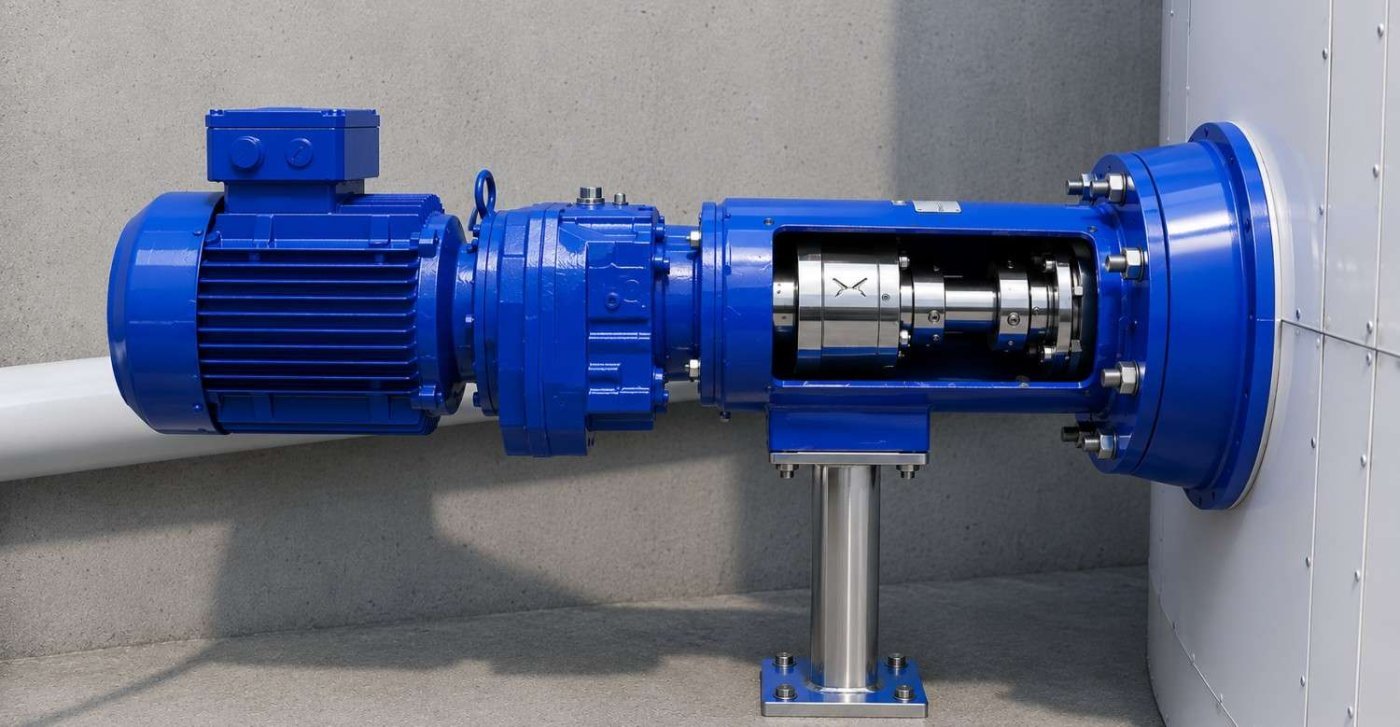
Running continuously against abrasive limestone and gypsum slurry is where lighter agitators start to show wear – flexing, shaft drift, off-centre wobble. Premix Technologies sizes the shaft, bearing support, and drive on every FGD Agitator specifically to avoid that, keeping vibration and misalignment out of the picture over years of plant operation.
Corrosion & Wear Resistance
FGD slurry is acidic, abrasive, and unforgiving on standard wetted parts. For that reason, Premix Technologies builds the wetted components of every Flue Gas Desulfurization (FGD) Agitator in SS316L, duplex steel, or rubber-lined construction, chosen according to the actual chemistry of the slurry.
Hazardous Area Compliance
Where an FGD system operates alongside combustible dust or gas-handling equipment, Premix Technologies supplies drives for the Flue Gas Desulfurization Agitator in explosion-proof configurations, built to ATEX and IECEx standards, so the mixer never becomes the weak link in an otherwise controlled process.
Multi-Purpose Tank Mixing
Absorber circulation, limestone slurry preparation, gypsum suspension, and mix-tank agitation – a single Flue Gas Desulfurization (FGD) Agitator handles most of it without needing a different machine for each stage. That range is exactly why Premix Technologies units turn up across absorber towers, slurry prep tanks, and gypsum dewatering feed tanks alike.
Custom Impeller Selection
Turbine, hydrofoil, and side-entry impellers don’t behave the same way once tank shape and slurry density change. Premix Technologies picks the impeller for each FGD Agitator based on what the absorber chemistry actually demands, not what happens to be in stock.
Heavy-Duty Construction
A reinforced shaft, a properly rated motor, and mounting that doesn’t work loose under continuous abrasive duty – that combination is what separates an FGD Agitator built to last from one that needs attention within months.
Minimized Downtime
Every hour a power plant doesn’t spend swapping or repairing an agitator is an hour scrubbing keeps running without interruption. That’s the target Premix Technologies engineers toward with every Flue Gas Desulfurization (FGD) Agitator it builds.
There’s no catalog page at the start of the process. Engineering begins with tank dimensions, slurry density, and the actual mixing target, and the FGD Agitator gets designed from there.
Whether it’s a pilot absorber or a full utility-scale FGD system, the engineering discipline behind a Flue Gas Desulfurization (FGD) Agitator doesn’t change just because the scale does.
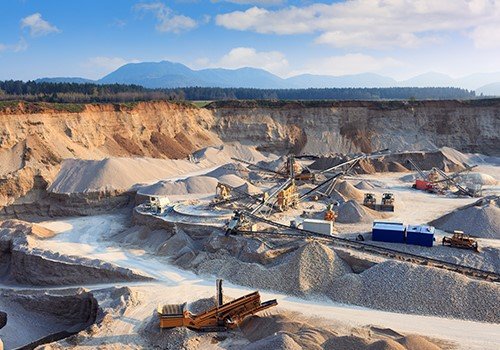
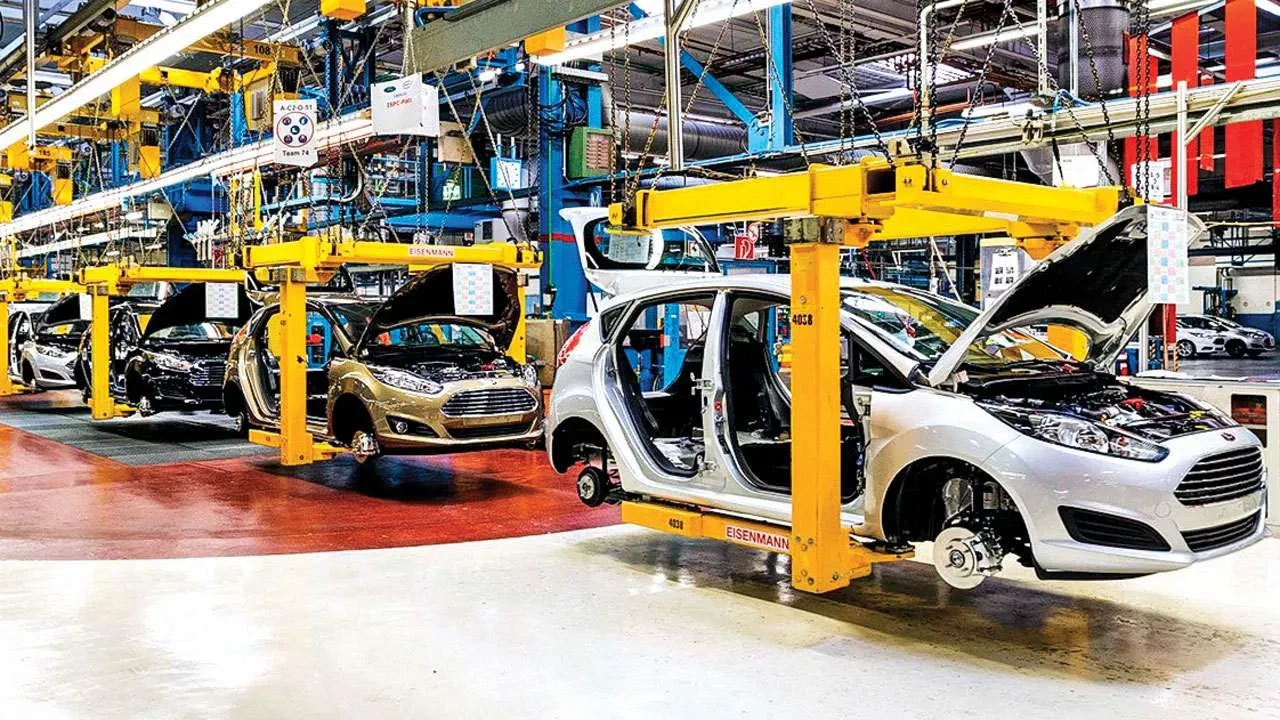
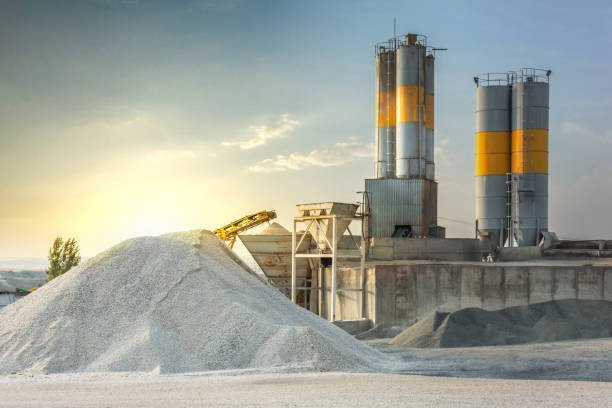
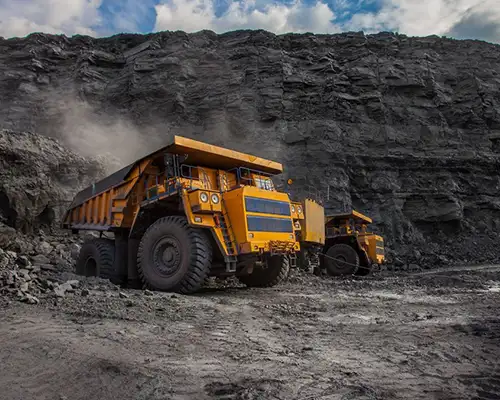
Premix Technologies has built a reputation among reliable Flue Gas Desulfurization Agitators Manufacturers, Flue Gas Desulfurization Agitators Suppliers, and Flue Gas Desulfurization Agitators Exporters across a wide spread of industries, as one of the trusted Flue Gas Desulfurization Agitators Manufacturers serving the power sector, including:
Delivering precision-engineered mixing and dosing solutions across diverse industrial sectors with reliability and performance.
Before any FGD Agitator gets built, the Premix Technologies engineering team runs Computational Fluid Dynamics studies to see how the impeller will move limestone and gypsum slurry through the tank. It checks circulation, load distribution, and turbulence on screen first, catching dead zones while they’re still cheap to fix, since correcting a poor flow pattern after installation on an operating power plant is a far more expensive conversation.
Flow pattern and tank turnover, dead zones near the base and corners, impeller tip speed and turbulence level, solids suspension behavior for abrasive limestone and gypsum slurry, mounting stability and vibration control, and power draw ahead of final sizing.
It means better impeller selection for the actual slurry and tank, more consistent absorber circulation, a lower chance of settled limestone or off-spec gypsum, and more confidence moving from pilot systems to full utility-scale operation. It also means the motor and shaft design gets optimized before anything is fabricated.
Mixing abrasive slurry sounds straightforward until it has to work on a real absorber tank, with real limestone chemistry, under a real continuous duty cycle – that’s the part Premix Technologies pays close attention to on every FGD Agitator it delivers. The process starts with a conversation about the tank and the slurry, then moves through design, manufacturing, and support after installation. Operating out of Ahmedabad, the team has built enough of a track record that power plants looking for reliable Flue Gas Desulfurization Agitators Suppliers and Flue Gas Desulfurization Agitators Exporters tend to find their way to Premix Technologies.
Reach out to Premix Technologies for a proposal built around the actual absorber tank and slurry chemistry, not a generic one lifted from a catalog. Domestic and international buyers work with Premix Technologies as their preferred Flue Gas Desulfurization Agitators Exporters partner for demanding FGD projects.
It keeps limestone and gypsum slurry evenly suspended inside absorber, mix, and gypsum tanks so the scrubbing process stays effective. Premix Technologies builds FGD Agitators for thermal power plants and industrial flue gas treatment systems where continuous SO2 removal depends on consistent slurry mixing.
Thermal power plants, cement manufacturing, steel and metallurgical plants, chemical process industries, gypsum processing, waste-to-energy plants, marine exhaust gas cleaning, and industrial boiler plants, among others – the Ahmedabad facility has handled requirements across most of these over the years.
Yes, reputable Flue Gas Desulfurization Agitators Suppliers review tank geometry before committing to a design. Impeller type, shaft diameter, and drive power all get adjusted around tank geometry and slurry density before manufacturing begins.
Tank dimensions, slurry density, solids content, and the required duty cycle get reviewed first. From there, the Premix Technologies team works out impeller type, drive power, and mounting design before quoting anything.
Yes. Motor, gearbox, mounting arrangement, shaft, seal, and impeller are assembled and tested together as one unit before it ever leaves the facility.
Have questions about our products or need a customized solution? Our team is ready to assist you with expert guidance, technical support, and reliable service. Reach out to us today and let’s build efficient solutions together.